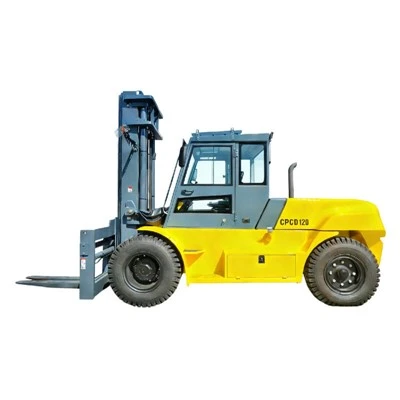
Yo! I’m running a diesel forklift business, and over the years, I’ve seen all sorts of scenarios when it comes to storing diesel fuel for forklifts. Trust me, it’s not as simple as just pouring it into a tank and forgetting about it. Safe storage is super important, not just for the health of your forklift but also for safety reasons. So, let’s dive into how to store diesel fuel for a forklift safely. Diesel Forklift
Choose the Right Container
First things first, you gotta pick the right container for storing diesel fuel. You can’t just use any old bucket. There are specific containers designed for storing flammable liquids like diesel. Look for containers made of materials that won’t corrode or react with the diesel. Metal drums are a popular choice. They’re sturdy and can handle the weight and volume of the fuel. But make sure they’re made of materials like steel or aluminum that are resistant to rust and corrosion.
Another option is high – density polyethylene (HDPE) plastic containers. They’re lightweight, less likely to dent, and can be a good choice if you need to move the fuel around a bit. But be careful, they need to meet the safety standards for storing diesel. You don’t want a container that’s going to crack or leak, which could lead to a messy and dangerous situation.
Keep It in a Suitable Location
Once you’ve got the right container, you need to find the perfect spot to store it. The storage area should be well – ventilated. Diesel gives off vapors, and if these vapors build up in an enclosed space, it can pose an explosion risk. A well – ventilated area helps to disperse these vapors and keeps the air safe.
The location should also be away from heat sources and anything that could cause a spark. That means no open flames, heaters, or electrical equipment that might produce a spark nearby. Avoid storing the fuel near areas where welding or other hot work is done.
It’s also a good idea to keep the storage area at a relatively stable temperature. Extreme temperatures can affect the quality of the diesel. Cold temperatures can cause the diesel to thicken, while high temperatures can lead to evaporation and loss of fuel.
Label Everything Clearly
You’d be surprised how often people forget to label their fuel containers. It’s important to clearly mark the container as "Diesel Fuel." Include warnings about flammability and any other relevant safety information. This helps to prevent accidents. For example, if someone is in a hurry and sees an unlabeled container, they might accidentally use the wrong fuel in the forklift, which could damage the engine or cause other problems.
Monitor and Maintain the Fuel
Diesel fuel can degrade over time, especially if it’s not stored properly. You need to regularly check the quality of the fuel. One way to do this is by looking at its appearance. If the diesel looks cloudy or has sediment at the bottom, it might be contaminated. Water can also get into the fuel, which can cause corrosion in the fuel system and affect the forklift’s performance.
You should also make sure the containers are sealed tightly. Loose lids can allow moisture and dirt to get in. And don’t forget to check for any signs of leaks in the containers or pipes if you’ve got a more complex storage system. If you notice any issues, deal with them right away. You might need to filter the fuel or transfer it to a new container.
Follow Local Regulations
Every area has its own set of rules and regulations when it comes to storing diesel fuel. You need to make sure you’re following them to the letter. These regulations cover things like the maximum amount of fuel you can store, the type of storage containers you can use, and the location of the storage area. Not following these regulations can result in fines and put everyone at risk. So, take the time to find out what the local laws are and make sure you’re in compliance.
Train Your Staff
If you’ve got employees who are handling the diesel fuel or operating the forklifts, they need to be properly trained. They should know how to safely handle the fuel, how to use the storage containers, and what to do in case of an emergency. Training should include information on safety procedures, such as how to put out a fire if there’s a fuel spill or leak.
Regular training sessions are also a good idea. This helps to keep the information fresh in their minds and ensures that they’re following the latest safety guidelines.
Have an Emergency Plan
No matter how careful you are, accidents can still happen. That’s why you need to have an emergency plan in place. This plan should cover what to do in case of a fuel spill, leak, or fire. You should have the necessary safety equipment on hand, such as fire extinguishers that are suitable for flammable liquid fires.
Make sure everyone knows where the emergency equipment is located and how to use it. And practice the emergency plan regularly so that everyone knows what to do in a real – life situation.
Use the Right Filling Equipment
When it’s time to fill up the forklift’s fuel tank, you need to use the right equipment. A good quality fuel transfer pump is essential. It should be designed for use with diesel fuel and be able to handle the flow rate you need. Make sure the pump is properly maintained and inspected regularly.
The hoses and nozzles you use also need to be in good condition. They should be made of materials that are compatible with diesel and be free from any cracks or leaks. And always make sure to ground the filling equipment to prevent static electricity buildup, which could cause a spark and lead to an explosion.
Be Smart with Your Storage Quantity
Don’t store more diesel fuel than you need. Having excessive amounts of fuel on – site increases the risk in case of an accident. Calculate how much fuel your forklifts use in a reasonable period, say a week or two, and only store that amount. This way, you’re minimizing the potential damage in case something goes wrong.
In conclusion, storing diesel fuel for forklifts safely isn’t something to take lightly. It requires careful planning, the right equipment, and a focus on safety. By following these steps, you can keep your forklifts running smoothly and your workplace safe.
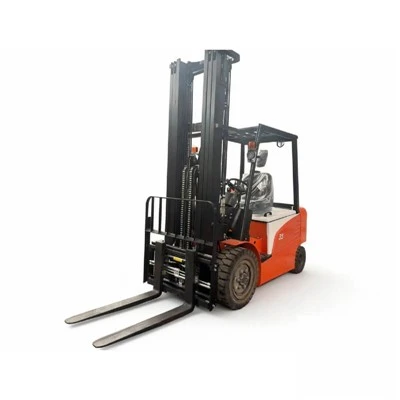
Heavy Duty Forklift If you’re in the market for high – quality diesel forklifts and need more advice on fuel storage and forklift operations, don’t hesitate to reach out. I’d be more than happy to discuss your needs and find the best solutions for your business.
References
- Diesel Fuel Storage Guidelines from Industry Safety Manuals
- Local Fire and Safety Regulations Handbooks
Propolift Machinery Co., Ltd.
Propolift Machinery Co., Ltd. is one of the most professional diesel forklift manufacturers and suppliers in China, featured by quality products and good price. Please rest assured to buy durable diesel forklift made in China here from our factory. Welcome to contact us for custom service and OEM service.
Address: No.271, Hardware Industrial Park, Quanzhou, China
E-mail: info@propolift.com
WebSite: https://www.propolift.com/
