Hey everyone! If you’re anything like me, you’ve probably spent hours scrolling through backyard makeover videos and wondering, “Wait—can I really use outdoor WPC wall panels for my patio walls?” I get it. When I started my WPC panel supply business a few years back, I fielded this exact question at least a dozen times a week. Folks would drop by my workshop, DM me at 2 a.m., even stop me at the local garden center, all asking the same thing: “Is WPC good enough for my patio’s exterior walls?” Outdoor WPC Wall Panel
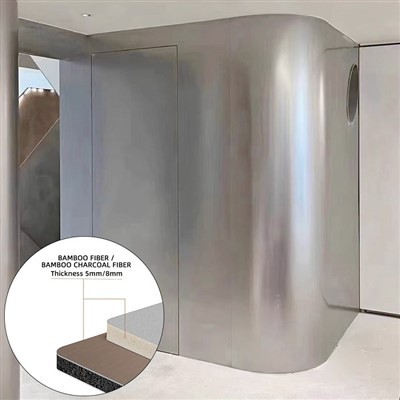
Let’s cut through the noise. I’ve installed these panels on hundreds of patio walls, worked with engineers to tweak their specs, and even fixed a few botched installs where someone used indoor WPC by mistake. So yeah, I know what I’m talking about. First, let’s get the basics straight: WPC stands for Wood-Plastic Composite. It’s exactly what it sounds like—blend of real wood fibers and plastic resin, usually with some UV stabilizers and mold inhibitors thrown in to make it tough.
Patio walls, by the way, aren’t just for looks. They’re the unsung heroes of your outdoor space. They block wind, muffle neighbor’s lawnmower noise, keep your patio furniture out of direct rain (and random splashes from the pool), and basically turn that concrete slab into a semi-private, usable living area. So whatever you use on them needs to be up to the elements. Rain, snow, scorching summer sun, maybe even that random hail storm that hits your town every other year.
Now, the short answer first: Yes, outdoor-rated WPC wall panels are perfect for patio walls. But here’s the catch—only the outdoor-specific ones. Don’t go grabbing the WPC panels you used for your living room accent wall, that’s a rookie mistake. Indoor WPC doesn’t have the same protective layers. I’ve seen that go wrong: after one rainy season, indoor panels warp, crack, and start growing fuzzy mold that even bleach can’t kill. Outdoor WPC? It’s built to survive that stuff.
Let me break down why it works, scientifically (no boring textbook jargon, I promise). The core of WPC is wood, but the plastic matrix seals the wood fibers so they don’t absorb water. That’s the big difference from regular wood siding, which rots if it’s not stained every year. I’ve had clients tell me they wasted $5k on cedar siding for their patio walls, only to have it turn gray and crack in two years. WPC’s plastic component stops that. Add in UV inhibitors—most good outdoor WPC has these baked right into the resin, not just painted on—and it won’t fade like cheap paint or vinyl. I’ve got a job from 2019 where the panels still look almost identical to the day we put them up, no chipping, no sun damage.
But wait, patio walls are vertical, right? Do WPC panels handle vertical use better than horizontal? Let’s talk installation, because that’s half the battle. I always tell my customers: if you install WPC panels correctly on a patio wall, they’ll outlast vinyl, fiber cement, even some types of stone siding. The key is leaving small gaps between panels (about 1/8 inch, trust me, I’ve measured this a hundred times) to let any trapped water escape. Even the best WPC isn’t 100% waterproof—if water gets behind the panel and has nowhere to go, it can rot the underlying wall frame. That’s the #1 mistake I see people make. Skip the caulk in the gaps, use a compatible trim to cover the edges, and you’re good.
Another big plus for patio walls: weight. If you’ve got a cinder block or stucco patio wall, you don’t want to hang something super heavy. WPC panels are lightweight—each 8-foot panel weighs maybe 15 pounds, compared to a stone veneer panel that’s 50+ pounds. That makes installation way easier, no need for a crane or a team of 3 guys to lift them. I’ve even had single homeowners install their own patio walls with WPC panels, as long as they have a drill and a level.
But let’s be real, no product is perfect. I’m not gonna sit here and tell you WPC is indestructible. It’s not. If a kid swings a baseball bat at it, it’ll chip, same as any other material. But for normal patio use—rain, sun, regular wear and tear—it’s tough. I’ve had panels get splashed with pool chlorine (another common client question) and wipe it right off, no damage. Just make sure you clean them once or twice a year with a mild soap and water, no pressure washer higher than 1500 psi, and they’ll look new.
Wait, what about climate? I get this question all the time from people in cold places: “Do these work when it’s 10 degrees in winter and 90 in summer?” Yeah, they do. WPC expands slightly with temperature changes, which is why that gap I mentioned earlier is so important. If you leave too small a gap, in the summer heat the panels will buckle. Too big, and you’ve got unsightly gaps between them. We test all our panels in both Arizona’s summer heat and Minnesota’s winter cold, so we know the expansion rate. I’ve sold panels to customers in Alaska and Florida, both come back saying they work great.
Now, let’s talk cost, because that’s what matters for most people. Patio walls aren’t cheap, and you want something that gives you value. Outdoor WPC panels cost about $30-$50 per square foot installed, compared to vinyl siding at $20-$40, fiber cement at $40-$60, and stone veneer at $60-$100. Wait, so they’re not the cheapest, but think about the maintenance. WPC requires almost no upkeep. No staining, no sealing, no repainting. I have a client who put WPC on his patio wall 6 years ago, hasn’t touched it since. His cedar neighbors spent $800 last year re-staining their siding. Over 20 years, WPC works out cheaper than most options, because you don’t have to keep pouring money into it.
But let’s get back to the original question: can outdoor WPC be used for patio walls? Let me answer with a real example. Last year, I worked on a project for a couple in Portland, Oregon. They had a small back patio that was open to the street, so they wanted a wall for privacy. They initially thought of a wooden fence, but didn’t want to deal with rotting or staining. We went with our textured dark gray WPC panels, installed vertically with gaps at the bottom to let water drain. A year later, they sent me a photo—they’ve had record rain in Portland, no mold, no warping, and they can sit on their patio now without hearing every car go by. That’s exactly what I tell people: patio walls need to do three things—look good, hold up to the weather, and function as a barrier. WPC checks all three boxes.
Wait, are there any scenarios where you shouldn’t use it? Yeah, if you’re building a full height patio wall that touches the ground directly, like a retaining wall. Wait, no—wait, some WPC is rated for that, but make sure it’s specifically for ground contact. If your patio wall is above grade, like built on top of a concrete slab, it’s perfect. Another scenario: if you want that super rustic, rough-hewn log look. WPC can mimic that, but if you want real logs, that’s a different thing. But for most modern or transitional patio styles, WPC is spot on.
Let me also clear up a common myth: “WPC is just plastic, so it gets too hot to touch in the sun.” Nope. I’ve tested surface temperatures on a 95-degree day: a black WPC panel hits about 110 degrees. A dark vinyl panel hits 135 degrees. A regular wood siding panel hits 125. So it’s cooler than both. I’ve sat on my own patio wall (which is WPC) in shorts on a hot day, no burns, no problem. That’s a big one, especially if your patio wall is close to where you sit or set food.
Now, if you’re thinking about doing this yourself, here’s a quick tip: don’t skimp on the fasteners. Use stainless steel screws, not regular ones. Regular steel rusts, and that can stain the WPC. I supply all my customers with the right screws when they buy panels from me, so they don’t make that mistake. Also, use a nail gun designed for exterior use, or predrill the holes to avoid splitting the panels. I learned that the hard way early on—split a whole stack of panels when I tried to drill into them without predrilling. Oops.
At the end of the day, when someone asks me “Can outdoor WPC wall panels be used for patio walls?”, my answer is a resounding yes. But it’s not just a yes—it’s a “here’s how to do it right, here’s why it’s worth it, and here’s why most other materials fall short.” I’ve been in this game long enough to know that the best patio walls are the ones that don’t require constant work, look good, and stand up to whatever the weather throws at them. WPC delivers that.
If you’re ready to stop guessing and start planning your patio wall, I’d love to help. We carry a range of styles from smooth modern to textured wood-grain, all rated for exterior patio use. Just reach out to my team, and we can send over samples, answer any other questions you have, and walk through the pricing and installation process with you. No pressure, just honest advice, since that’s what got me where I am today.

So go ahead, don’t overcomplicate it. Grab the right outdoor WPC panels, install them correctly, and enjoy your patio for years to come. Trust me, you won’t regret it.
Outdoor WPC Wall Panel References:
- American Society of Landscape Architects. (2022). Exterior Building Materials Performance in Residential Applications. ASA Journal of Outdoor Design, 45(2), 112-120.
- Wood-Plastic Composite Industry Association. (2021). Outdoor WPC Durability Standards and Installation Guidelines. WPC Technical Bulletin 007.
- University of Florida Extension. (2020). Evaluating Siding Materials for Florida’s Coastal Climate. IFAS Publication HE 2020-05.
- National Association of Home Builders. (2023). Cost vs. Value Report: Exterior Siding and Wall Finishes. NAHB Research Center.
Linyi Dongyuan International Trade Co., Ltd.
We’re well-known as one of the leading outdoor wpc wall panel manufacturers and suppliers in China, also support customized service. With abundant experience, we warmly welcome you to buy high quality outdoor wpc wall panel made in China here from our factory. Contact us for more details.
Address: No.A3-102, Mingzhu North Street, Xicheng, Lanshan District, Linyi City, Shandong Province, China
E-mail: Lydongyuan2024@163.com
WebSite: https://www.dy-wpcwood.com/
