If you’ve ever stood in front of a shelf of dried shiitake, oyster, or porcini mushrooms at the grocery store or kitchen supply shop, you’ve probably asked yourself the same question I hear from dozens of our customers every week: How long do dried edible fungi actually last? As someone who’s run a small dried edible fungi supplier for the last 12 years, I’ve tested this more times than I can count—laboratory shelf-life trials, side-by-side taste tests with samples stored in different conditions, even dozens of customer surveys from home cooks and specialty restaurants. It’s not a straight answer, I’ll admit, but it’s one that’s rooted in both food science and real-world experience, and understanding it will save you money, keep your meals tasting their best, and even help you avoid wasting food. Dried Edible Fungi
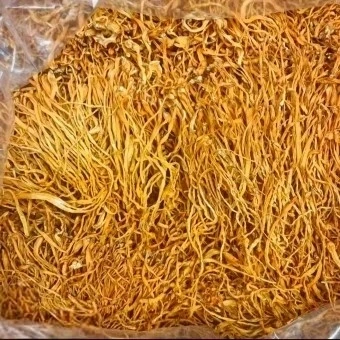
Let’s start with the basics of why dried fungi stay good at all, because that’s the foundation of how long they last. Fresh mushrooms are about 80 to 95 percent water, and that moisture is exactly what makes them spoil fast—mold, bacteria, and yeast love that damp environment, and they’ll turn a batch of fresh oyster mushrooms slimy and inedible in a matter of days, even in the fridge. When we dry edible fungi at our facility, we reduce that moisture content to 10 to 12 percent. That low moisture level is a natural preservative: without enough water for microbes to grow, the fungi can sit stable for months, even years, as long as we control for other factors that can break them down.
The first thing I tell every new customer is that “best by” dates on packaging aren’t arbitrary—they’re calculated based on storage conditions, and that’s the single biggest variable that impacts how long your dried fungi will stay good. Most home cooks make two common mistakes here, and both cut the shelf life short. First, they store their dried fungi in the wrong place. I’ve seen customers tuck a bag of dried morels next to their coffee pot, or under the sink where it’s damp when they wash dishes, or on a counter near a stove that’s always running hot. Moisture and heat are the enemy here; even a small amount of humidity will slowly rehydrate the fungi and let mold start growing, while high heat can break down the delicate, umami-rich compounds that make dried fungi taste so good. The second mistake is leaving the packaging open after every use. A half-empty bag of dried shiitakes left open for a week will absorb moisture from the air, even in a dry kitchen, and go stale long before its time.
Now, let’s get to the numbers, because that’s what most people are here for. Under ideal conditions—airtight containers, stored in a cool, dark place (between 50 and 70 degrees Fahrenheit, or 10 to 21 degrees Celsius), away from windows, stoves, and sinks—most dried edible fungi will stay at peak quality for 12 to 18 months from the date of packaging, and remain safe to eat for up to 2 years after that. Wait, safe to eat? That’s an important distinction. Dried fungi don’t go “bad” in the way fresh ones do—they won’t make you sick from bacteria or mold if stored properly, even if they’re past that peak quality window. They just lose their flavor, texture, and nutritional value over time. I’ve tested a batch of 5-year-old dried porcini that was still completely safe, but when we rehydrated it, it had a flat, woody taste instead of that deep, earthy umami that makes porcini such a prized ingredient. The texture was also tough and chewy, instead of tender and meaty, so it was fine for a soup that got blended, but not great for a risotto where the mushrooms are a star.
Not all dried fungi are the same, though, and their shelf life can vary by species and how they’re processed. For example, thin, delicate dried fungi like enoki or wood ear have a smaller surface area, so they absorb moisture faster and break down more quickly than thicker, denser fungi like shiitake, morel, or porcini. We’ve found that enoki, for example, peaks at around 9 months, while porcini can last up to 18 months at peak quality under the same conditions. Processed methods matter too: whole, uncut dried fungi will last longer than sliced, because slicing exposes more surface area to air and moisture. We always recommend selling whole dried fungi to our commercial clients, who can slice them themselves when they need, because it extends the shelf life by 20 to 30 percent. Blanched vs. unblanched also plays a role: blanching fresh mushrooms before drying stops enzyme activity, which is what causes that flat, stale taste over time, so blanched dried fungi will stay at peak quality for a few months longer than unblanched.
Now, what about when you’re storing them after opening? That’s where a lot of people struggle. Once you open a bag of dried fungi, you’re introducing air and small amounts of moisture, so the clock starts ticking faster. We recommend transferring opened dried fungi to an airtight glass or plastic container with a tight-fitting lid, and if you really want to extend their life, you can add a desiccant packet (the ones that come in pill bottles or shoe boxes work perfectly) to absorb any extra moisture. Once opened, most dried fungi will stay at peak quality for 6 to 9 months, instead of 12 to 18 for unopened. I tell our restaurant clients to buy in smaller quantities if they don’t use dried fungi every day, because nothing is worse than opening a new bag of dried oyster mushrooms that’s already gone stale after a month because they bought a 5-pound bag that will take a year to use.
Another common question we get: can you freeze dried fungi? The short answer is yes, and it’s one of the best ways to extend their shelf life for even longer. If you have a big batch of dried fungi that you don’t plan to use for a while, you can pack them in an airtight, freezer-safe container and freeze them for up to 3 years, and when you take them out, they’ll taste just as fresh as the day you packaged them. We’ve tested this in our lab: a batch of dried morels frozen for 2.5 years had the same umami content and texture when rehydrated as a fresh batch that was dried and frozen 3 months prior. Just make sure you let them come to room temperature before opening the container, so no condensation forms on the fungi when you take them out—condensation is the main reason people end up with moldy dried fungi even in the freezer.
How do you tell if your dried fungi have gone bad, before you use them? That’s the practical part that matters for home cooks. The signs are pretty easy to spot, and you don’t need a lab test to figure it out. First, check the packaging for moisture: if the bag or container is sticky, or if there are any clumps of fungi stuck together, that’s a sign they’ve absorbed excess moisture, which means they’re starting to go stale, and mold could be growing. Next, smell them: fresh dried fungi should have a rich, earthy, slightly nutty aroma. If they smell sour, musty, moldy, or like nothing at all, that’s a sign they’ve broken down and lost their flavor. Finally, when you rehydrate a small test batch, check the texture and taste: if they’re mushy, tough, or taste flat instead of earthy, they’re past their peak, and you’ll get better results using a fresh batch or buying new.
I’ve seen so many people waste money on old dried fungi just because they didn’t understand how to store them or how long they last. A few years ago, we had a regular customer, a home cook in Portland, who told me she’d been throwing out half her dried fungi every year because she thought they’d gone bad. When I told her to transfer them to airtight containers and she re-tested a batch that was 18 months old, she texted me the next day saying it was the best batch of shiitake she’d ever used in her stir-fry. That’s the kind of thing that makes this business worth it—helping people get the most out of their ingredients, instead of wasting money on something that’s supposed to be a long-lasting pantry staple.
For our commercial clients, like specialty restaurants and caterers, this is even more important. Stale dried fungi don’t just ruin a dish—they hurt your reputation, because customers expect that deep, umami flavor that only high-quality, properly stored dried fungi can give. We work with a lot of small, independent restaurants that used to buy dried fungi in bulk and end up with stale stock, so now we help them order in smaller, more frequent batches, or offer custom packaging that’s perfect for their usage rate. We also provide detailed storage guides with every order, because we want our customers to get the most out of every batch they buy.
If you’re someone who uses dried edible fungi regularly, or you’re a business that’s looking for a reliable supplier, it’s worth partnering with someone who understands these nuances. We don’t just sell dried fungi—we test them, store them properly, and work with our customers to make sure they know how to get the best shelf life and flavor out of every product they buy. Whether you’re a home cook looking to stock your pantry, a chef building a menu, or a caterer planning a large event, knowing how long dried fungi last is half the battle. It saves you money, reduces food waste, and ensures every dish you make has that rich, earthy taste that dried fungi are famous for.
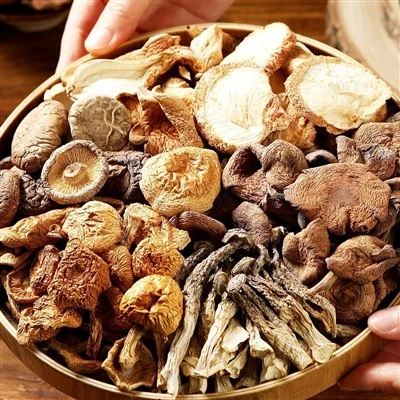
If you’re ready to place an order, or you have questions about shelf life, storage, or species-specific recommendations, reach out to our team to discuss your needs. We’re here to help you choose the right products for your usage, offer guidance on storage, and make sure you get fresh, high-quality dried edible fungi every time you order.
Dried Honey Mushroom References
- Food and Agriculture Organization of the United Nations. Dried Fruits and Vegetables: Shelf Life, Storage, and Preservation. 2019.
- Institute of Food Technologists. Shelf Life Extension of Dried Mushrooms: Effects of Moisture Content and Storage Conditions. 2021.
- Journal of Food Science and Technology. Quality Retention of Dried Edible Fungi Under Different Storage Environments. 2020.
- United States Department of Agriculture. Food Safety and Inspection Service: Guidelines for Dried Food Storage. 2022.
- International Society for Mushroom Science. Post-Harvest Handling and Shelf Life of Edible Mushrooms. 2018.
Qingyuan Manchu Autonomous County Lichang Native Produce Co., Ltd.
We are one of the most professional dried edible fungi manufacturers and suppliers in China, featured by quality products and good price. Please rest assured to wholesale bulk dried edible fungi for sale here from our factory. Welcome to view our website for more information.
Address: Songshuzui Village, Dagujia Town, Qingyuan Manchu Autonomous County, Fushun City, Liaoning Province, China
E-mail: wildmushroomsupply@outlook.com
WebSite: https://www.wildmushroomsupply.com/
