If you’re reading this, chances are you’re either a maintenance tech, a plant manager, or someone who’s been dealing with hydraulic line leaks and messy, costly downtime lately. Or maybe you just ordered your first batch of hydraulic plugs from us and are now wondering if you’re using them right. Let me cut to the chase: hydraulic plugs are total game-changers for sealing off lines, covering ports during transport, or fixing leaks without draining entire systems—but they’re only as safe as the guy (or gal) installing and using them. I’ve been supplying hydraulic plugs for 12 years now, and I’ve seen every mistake in the book—from a tech who used a off-the-shelf plug and blew a 3000 psi line to a warehouse worker who didn’t clean a port and ended up with a plug slipping mid-shift. So let’s dive into the real safety precautions, no stuffy engineering jargon, just what works for folks on the job. Hydraulic Plug
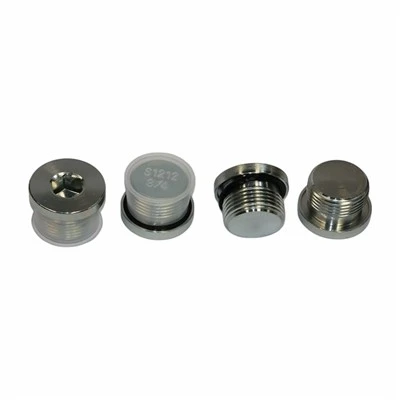
First off, let’s get one thing straight: hydraulic plugs aren’t one-size-fits-all. I can’t tell you how many times a customer will shoot me an email saying, “I need plugs for a 1-inch line, send me whatever.” But 1-inch NPT is way different than 1-inch JIC or ORB—threads, diameter, and pressure rating matter more than the line size. Using the wrong plug here isn’t just a leak issue; it’s a burst line or a flying plug hazard. Last year, a construction crew in Chicago used a 1-inch steel plug for a 1,200 psi hydraulic line that was actually JIC, not NPT. The plug’s threads stripped under pressure, blew out, and nicked a guy’s arm—thank god he was wearing gloves, but still, that’s avoidable. The key here is: match the plug’s spec exactly to the port. Check the part number on your port, cross-reference it with our product sheets (we make that easy, no confusing codes), and confirm the pressure rating. Don’t guess—if you’re not sure, shoot our team a quick message, we’d rather you double-check than deal with an injury.
Next up, pre-install checks that almost everyone skips. This is the part that takes 30 seconds and prevents 90% of headaches. Before you even grab a plug, turn off the system and relieve all pressure. I know, I know—when you’re in a hurry to fix a leak, it’s tempting to skip this, but that’s how people get hurt. Hydraulic lines hold pressure like a balloon, even when the engine’s off. If you yank a line off without relieving pressure, that fluid will spray at you at 2000 psi—enough to pierce skin and cause permanent damage. How do you relieve pressure? Locate the system’s pressure relief valve (it’s usually near the pump or control panel), open it slowly, and wait until you hear that hissing stop. Don’t stand in front of the port when you do this—stand to the side, just in case. Then, clean the port. Dirt, metal shavings, or old sealant in the port will not only make the plug seal bad, but they can also bend the plug’s threads or cause it to seat unevenly. I’ve seen a plug get cross-threaded because a tech wiped the port with a dirty rag—he didn’t notice the small metal shaving stuck, and when he tightened the plug, it locked crookedly. Later, when pressure was applied, it split. Grab a wire brush (soft, not metal, if your port is aluminum) or some isopropyl alcohol and a clean rag, scrub out the port, and blow it out with compressed air (again, stand back) to make sure nothing’s left.
Then, when you’re installing the plug, torque matters. A lot of people either crank the plug so tight they strip threads, or leave it too loose and it comes out. What’s the right torque? It depends on the plug material and the port type. For steel plugs on steel ports, 15-20 ft-lbs for ½-inch NPT, 25-30 ft-lbs for 1-inch—something like that. But check our installation guide, we list every torque spec for every product we sell. Here’s a pro tip: don’t use an impact gun to tighten plugs. Impact guns deliver way too much force, and you’ll either strip the threads or crack the plug (especially if it’s a plastic or brass plug for low-pressure lines). Use a socket wrench, hand-tighten first until the plug seats, then add the small amount of torque needed. If you feel resistance before that, stop—you’re either cross-threaded, there’s still dirt in the port, or the plug is the wrong size. Don’t muscle it, that’s a fast track to a broken part or a mess.
Wait, what about plugs for temporary use vs permanent? That’s another thing I see people mess up. A lot of temporary plugs (like the ones we sell for port protection during shipping) are made of soft plastic or brass, rated for low pressure (under 500 psi). If you use one of those to seal a 3000 psi line for a repair, you’re asking for trouble. I had a customer last spring who used a temporary plastic plug to seal a hydraulic cylinder line on a forklift. He thought “seal is a seal,” but when the cylinder pressurized, the plug blew out and hit his work boot, cracking his toe. We sell permanent hydraulic plugs (steel, heat-treated, rated for up to 6000 psi) for exactly this kind of job—make sure you’re grabbing the right plug for how long you need it sealed. Temporary plugs are great for storing equipment, covering ports during transport, but not for active system pressure.
Another big hazard: fluid compatibility. Hydraulic fluid isn’t one thing. There’s mineral oil-based, synthetic, water-glycol, and a bunch of other types. Some plugs—especially brass or certain plastic ones—can corrode or degrade when exposed to the wrong fluid. For example, a brass plug in a water-glycol system can crack over time because of electrolysis, and a nitrile-sealed plug in a synthetic fluid might swell and leak. How do you avoid this? Check the fluid type in your system, and cross-reference it with our product specs. We list every compatible fluid on each product page, so it’s easy. If you’re not sure what fluid you have, look for the label on the reservoir, or just send us a photo—we’ll tell you which plug works.
What about when you’re removing a plug? That’s not just installing in reverse. First, make sure the system is still de-pressurized. Even if you were working on a part hours ago, someone might have turned the system back on without telling you. So again, relive pressure before unscrewing. And when you take the plug out, be careful—there might be residual fluid inside the line, so point the opening away from your face or clothes. I always keep a drain pan nearby when removing plugs, just to catch any fluid and keep the work area clean (and avoid slippery floors, which are their own safety hazard).
Now, let’s talk about common mistakes that even seasoned techs make. One last thing: never reuse a plug. I know, it’s tempting—you fixed a leak, unscrewed the plug, and want to save it for the next time. But every time you tighten and loosen a plug, the threads get a little worn, the seal (whether it’s an O-ring or a thread compound) gets compromised. A plug that worked once might fail the second time, especially under pressure. We sell plugs in bulk, so it’s not expensive to grab a new one each time. That’s a small cost compared to a line burst or a trip to the hospital.
If you’re ever not sure about something—whether it’s which plug to get, how to install it, or if a plug is safe for your job—don’t guess. Our team has 12 years of hands-on experience with hydraulic plugs, so we can walk you through it. We don’t do fancy sales pitches, we just want you to get the right product for your job and get home safe at the end of the day. If you have questions or you’re ready to place an order, just reach out to us—we’re here to help.
Screw Nut References
- Occupational Safety and Health Administration (OSHA). (2021). Hydraulic Fluid Hazards and Safety Guidelines. U.S. Department of Labor.
- Hydraulic Industry Association. (2022). Best Practices for Hydraulic Component Installation and Maintenance. HIA Technical Report No. 12-22.
- Material Testing Institute. (2020). Compatibility of Hydraulic Seal Materials with Common Fluid Types. MTI Engineering Bulletin 47.
- National Center for Construction Education and Research (NCCER). (2021). Core Curriculum for Maintenance Technology, 5th Edition. NCCER Press.
Yuyao Huiqiang Fluid Connectors Co., Ltd.
With abundant experience, we are one of the most professional hydraulic plug manufacturers and suppliers in China. Please feel free to wholesale cheap hydraulic plug in stock here from our factory. All customized products are with high quality and low price.
Address: No.102, Wenwei Road, Zhangting Town, Yuyao City, Ningbo City, Zhejiang Province
E-mail: huiqiangliuti@163.com
WebSite: https://www.huiqiang-fitting.com/
