If you’ve ever walked away from a jewelry box after putting away your favorite freshwater pearl necklace only to find it dulled, scratched, or tangled a month later, you’re not alone. As someone who’s spent years sourcing and selling freshwater pearl necklaces—from lustrous baroque pieces that catch the light from every angle to classic round studs layered on delicate chains—I’ve fielded more questions about pearl care and storage than any other part of my job. The good news? Storing a freshwater pearl necklace well isn’t about being overly delicate; it’s about understanding what makes these gems unique, and adjusting your routine to protect them from the little, everyday things that can chip away at their beauty. Freshwater Pearl Necklace
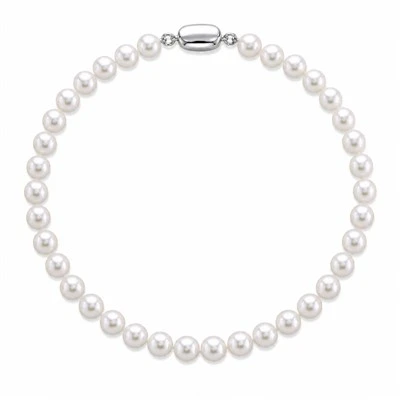
Let’s start with the basics most people miss: freshwater pearls aren’t like diamonds, rubies, or even gold. They’re organic gems, grown inside freshwater mussels, made mostly of calcium carbonate (the same stuff that makes up chalk and seashells) layered with a tiny bit of organic conchiolin. That combination makes them softer than almost every other stone we wear (Mohs hardness scale of 2.5 to 4, to be exact—for context, a fingernail is about 2.5). It also makes them sensitive to extremes: harsh chemicals, sudden temperature changes, even the oils and lotions on your skin. So storage isn’t just about keeping your necklace from getting tangled with other jewelry; it’s about creating a microclimate that preserves those delicate layers of luster for decades.
The first rule I always tell my customers: never put your freshwater pearl necklace on before applying skincare, perfume, or hairspray. Wait at least 15 minutes after you finish getting ready before you fasten your pearl necklace. That tiny window lets all the chemicals absorb into your skin and clothes, so they don’t sit on the pearl’s surface. But if you do follow that rule, the next critical part is how you stow it when you take it off. Most people make the mistake of tossing their necklace into a jewelry box with other pieces, or leaving it draped over a sink or counter. Let’s break down why that’s a bad idea, and what works instead.
First, tangles. Freshwater pearl necklaces are often strung on silk thread, especially the high-quality ones I source—silk is flexible, smooth, and doesn’t scratch pearls, unlike nylon or other synthetics, but it still tangles easily if left loose. Even if yours is a newer design with a fine metal chain, the pearls themselves can catch on the edges of other jewelry: a rough diamond stud, a sharp edge on a gold ring, even a metal clasp on another necklace. I once had a customer bring back a pearl necklace that had a tiny scratch on three of its center pearls—she’d tossed it into a box with her engagement ring one night, and the next morning, the sharp edge of the ring had dragged across the soft pearl surface. The scratch was minor, but it changed how the light hit those pearls, making them look dull in certain spots.
The solution to tangles is simple: always store your freshwater pearl necklace laid flat, never looped loosely or folded. Looping it twice puts stress on the string or the chain, and the fold can create tension that makes the silk thread fray over time, or even snap if you’re not careful. If your necklace is long enough to drape across your chest, fold it gently into a loose “S” shape—not a tight loop—and lay it flat in a compartment. For shorter necklaces, just lay it straight. Never knot it, even if you’re in a hurry; knots can pull on the pearls, and if the string breaks, you’ll have to restring the whole necklace.
Next, the environment. Freshwater pearls hate two things that are common in most closets and drawers: extreme dryness and extreme humidity. If you store your necklace in a hot, dry space—like a bathroom counter near a radiator, or a top drawer that gets direct sunlight—the calcium carbonate in the pearls can dry out, making them crack or lose their luster. I had another customer who stored her pearl necklace on her bathroom windowsill because she liked looking at it while she brushed her teeth. After two years, the pearls started to look chalky, not shiny—sunlight had evaporated the moisture inside them, and the surface layer of conchiolin had started to break down. On the flip side, too much humidity (like a damp basement or a closet near a laundry room) can cause mold and mildew to grow on the silk thread, or even erode the pearl’s outer layers. The sweet spot is a space that’s cool, dark, and has moderate humidity—around 40 to 50 percent, in case you’re curious, which is the same kind of environment a pearl would grow in naturally inside a mussel.
That’s why the type of storage container you use matters more than you think. I see customers use everything from plastic sandwich bags (bad—plastic traps moisture and chemicals that can damage pearls) to velvet jewelry rolls (great, if they’re used correctly). Let’s narrow down the best options, based on what I’ve learned from years of working with freshwater pearls.
First, a dedicated soft jewelry pouch. Not the thin plastic ones that come free with fast fashion necklaces—those are lined with chemical coatings that can stick to pearls or scratch them. Look for a pouch made of 100 percent cotton, silk, or soft suede, with no rough seams or zippers that can catch on pearls. When you put your necklace in, make sure there’s no other jewelry in the same pouch—even soft bracelets can rub against pearls if they’re jostled around. If you want extra protection, you can wrap the necklace in a small piece of acid-free tissue paper first. Acid-free paper is designed not to leach chemicals, so it won’t damage the pearls, and it absorbs excess moisture a little, which keeps the microclimate balanced.
If you keep your necklaces in a larger jewelry box or drawer, invest in individual compartment slots for each piece. The best jewelry boxes for pearls have separate, lined compartments—no open slots where necklaces can slide around and rub together. Some even have padded inserts that you can lay necklace hooks on, so the chain doesn’t touch the bottom of the compartment. I recommend avoiding jewelry boxes lined with wood unless they’re properly sealed and treated—untreated wood can off-gas chemicals over time that are bad for pearls.
One common question I get: should I wrap my freshwater pearl necklace in plastic wrap for storage? The answer is a hard no. Plastic is non-breathable, so it traps moisture against the pearl’s surface, which can cause discoloration or mold. The only time plastic is okay is if you’re traveling with your necklace, and even then, it’s better to use a soft silk pouch inside a small, padded jewelry case. For travel, I always tell customers to keep their pearl necklaces in their carry-on, not checked luggage—checked bags go through extreme temperature changes and rough handling, both of which are hard on pearls.
Another thing to consider: the metal of your necklace’s clasp and chain. Most freshwater pearl necklaces I sell come with sterling silver, gold-fill, or 14k gold clasps. Silver can tarnish over time, and that tarnish can rub off onto the pearl’s surface if they’re stored together. If your necklace has a silver clasp, make sure it’s not touching the pearls when you store it—fold the necklace so the clasp is on the outside of the pouch or compartment, or wrap a small piece of tissue around the clasp to separate it from the pearls. Gold is less reactive, so it’s safer to touch pearls, but it’s still good practice to keep the clasp from rubbing against the pearl surface, just in case.
I also get asked if pearls need to be cleaned before storage. The short answer is yes, if you’ve worn them recently. Oils from your skin, sweat, and even the lotion you used can sit on the pearl’s surface, and over time, those oils can attract dirt and make the pearls look dull. Cleaning them right before storage is a quick step that makes a huge difference. How to do it? Use a soft, lint-free cloth (like the kind you use for eyeglasses) dampened slightly with warm water. Never use soap, jewelry cleaner, nail polish remover, or any other chemical—even mild dish soap can strip the pearl’s surface of its natural luster. Gently rub each pearl individually, then wipe the chain or silk thread. Let the necklace air dry completely before storing it—if you put it away damp, you’ll get that moisture buildup we talked about earlier. Never rub pearls with a paper towel or tissue, because the rough fibers can scratch the soft surface.
What about long-term storage? If you’re putting your freshwater pearl necklace away for months at a time, maybe because you have a collection and rotate pieces, there are a few extra steps. First, clean it thoroughly as I mentioned above. Then, make sure it’s laid flat in its own lined compartment, no other jewelry touching it. If you want extra protection against humidity, you can add a small silica gel packet (the kind that comes in new shoes or electronics) to the storage container, but make sure the packet is sealed in a small paper towel so it doesn’t touch the pearls directly. Change the silica gel every few months, because once it absorbs moisture, it can start to release it back into the air. Also, store it in a cool, dark space—like a top closet shelf, not under a bed or in a basement. Avoid attics too, because they get too hot and dry in the summer.
I’ve seen customers make the mistake of putting their pearl necklaces in a safe deposit box for long-term storage, and that’s actually not a great idea for freshwater pearls. Safe deposit boxes are often very dry, because they’re climate-controlled to protect paper and documents, and that dryness can make pearls crack or lose their luster over years of storage. If you need to store a valuable necklace long-term, opt for a cool, dark closet space with moderate humidity instead, and check on it every few months to make sure it’s still in good shape.
Let’s talk about some myths I hear all the time, because there’s a lot of bad advice out there about pearl storage. First myth: pearls need to be “fed” with oil or lotion to stay shiny. No—while the oils from your skin actually do help keep pearls looking their best when you wear them, putting lotion or oil directly on the pearls is a bad idea. It can seep into the tiny layers of conchiolin and cause discoloration over time. Wearing your necklace with your daily skincare is fine, as long as you wait for the skincare to absorb, but never apply products directly to the pearls. Second myth: you can store pearls with other jewelry as long as you wrap them in tissue. Even wrapped, pearls are soft enough to scratch if they rub against a metal ring or a diamond stud. It’s worth the extra compartment to keep them separate. Third myth: silk thread will never break, so you don’t need to check it when storing. Silk does fray over time, especially if it’s folded repeatedly. Every few months, when you take your necklace out to wear it, give the string a gentle tug to make sure it’s not loose or frayed. If it is, have it restrung by a professional before storing it long-term—you don’t want to come back to a pile of pearls and a broken string.
At the end of the day, storing a freshwater pearl necklace well is about respecting their nature. They’re not indestructible, but they’re also not as fragile as people make them sound. A little consistency in how you stow them—laying them flat, keeping them in a soft, dark, moderate-humidity space, cleaning them before storage—will make them last for generations. I’ve had customers tell me they still wear their grandmother’s pearl necklaces, and that’s only possible because they stored them the right way over the years.

If you’re looking for high-quality freshwater pearl necklaces to build your collection or stock for your business, I’m here to help. Whether you’re a boutique owner looking for custom pieces or a wholesaler interested in bulk orders, we can work together to find the perfect necklaces for your needs, and I’ll even share more care tips tailored to your inventory or personal collection. Don’t hesitate to reach out to start a conversation about what you’re looking for.
Freshwater Pearl Earrings References
- Kunz, G. F. (1913). The Book of the Pearl: The History, Art, Science, and Industry of the Pearl. Doubleday, Page & Company.
- Hughes, R. W. (1997). Properties of Gemstones. Butterworth-Heinemann.
- Pezel, F. (2006). Freshwater Pearls: Cultivation, Properties, and Use. Journal of Gemmology, 30(3), 147-162.
- O’Donoghue, M. (2006). Gemstones: Their Sources, Descriptions, and Identification. Elsevier.
- International Colored Gemstone Association. (2021). Pearl Care and Storage Guidelines. IGA Gem News International.
Aqvune Pearls Co., Ltd.
Aqvune Pearls Co., Ltd. is one of the most experienced freshwater pearl necklace manufacturers and suppliers in China, featured by quality products and low price. Please rest assured to buy class freshwater pearl necklace made in China here and get pricelist from our factory. We also accept customized orders.
Address: 1903-6, Union Building, Lingzhi Street, Yuecheng District, Shaoxing City, Zhejiang Province, China
E-mail: sales@aqvunepearls.com
WebSite: https://www.aqvune-pearls.com/
