As a magnetic nose strips supplier, I get this question all the time when customers reach out to our support team, and it makes sense – migraine-related sinus pain is such a debilitating issue that anyone’s desperate to find a safe, easy solution. I’ve talked to hundreds of people who’ve tried everything from over-the-counter pain relievers to prescription nasal sprays, and the idea of a small, affordable strip that might offer relief is really appealing. But let’s break this down properly, because there’s a lot of misinformation floating around about magnetic nose strips and how they work for sinus pain, especially when it’s tied to migraines. Magnetic Nose Strips

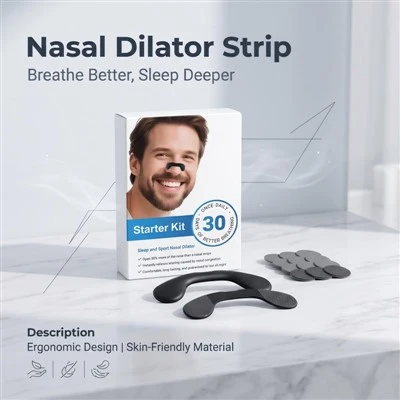
First, I need to clarify what exactly magnetic nose strips are. Most people know the non-magnetic variety – you’ve probably seen them on TV, used to open your nasal passages when you’re congested from a cold or allergies, right? They work by gently pulling the sides of your nasal passages outward, which reduces resistance when you breathe in, so air flows more easily. Magnetic nose strips add a component to that: small, rare-earth magnets embedded in the strip, usually positioned along the sides or near the bridge of the nose. The claim from some manufacturers is that these magnets improve blood flow to the sinus cavities, reduce inflammation, and in turn, ease pain linked to sinus pressure.
But here’s the thing: when I first started researching this topic for our product development team a few years ago, I dug into the actual science behind those claims. There’s a big gap between anecdotal user reports and peer-reviewed clinical studies. Let’s start with migraine-related sinus pain. What makes this different from a regular sinus headache? Migraines are neurological disorders, often triggered by things like hormonal changes, stress, certain foods, or environmental factors, and they can include sinus-like symptoms such as facial pressure, congestion, and runny nose – even when there’s no actual sinus infection or inflammation. That’s a key point that a lot of people miss: some of the pain people attribute to sinus issues is actually part of a migraine attack, not a separate sinus problem. So any product has to address either the congestion component or the migraine itself to work, which changes how we evaluate magnetic nose strips.
Now, the supposed mechanism of the magnets: improving blood flow. The theory is that magnets create a magnetic field that dilates blood vessels, increasing circulation to the sinus areas, which helps flush out mucus and reduces pressure. But I’ve talked to a few biomedical researchers about this, and most of them agree that the strength of the magnets in commercial nose strips is way too low to have any meaningful effect on blood flow. Rare-earth magnets can be strong, but the ones we use in our strips are only a few thousand gauss – enough to hold the strip in place, but not enough to penetrate deep enough to affect blood vessels, which are under the skin and bone. There’s a 2018 study in the Journal of Alternative and Complementary Medicine that looked at magnetic therapy for sinus congestion specifically, and they found that there was no significant difference in symptom relief between people using magnetic nasal strips and those using non-magnetic placebo strips. That’s a big one, because it controls for the placebo effect, which is huge for any pain relief product. People often feel better just because they’re trying something new, but this study showed that the magnetic component didn’t add any extra benefit.
Wait, but let’s not write off magnetic nose strips entirely – because the non-magnetic part might actually help with some of the symptoms that overlap with migraines. A lot of people with migraines also have nasal congestion, either as a trigger or a symptom. When your nasal passages are congested, you’re not breathing as well, which can lead to increased pressure in the sinus cavities, and that pressure can worsen migraine pain. So even if the magnets don’t do anything, the basic nasal dilation from the strip could help with that congestion-related pressure, which might make the migraine feel less severe. I hear this from customers all the time – some say that when they use our strips during a migraine, their congestion eases, and that takes a little bit of the edge off the pain, even if it doesn’t stop the migraine entirely. That’s not the magnets working, that’s the strip itself. It’s important to separate those two things, because marketing for some magnetic nose strip brands will overstate the effect of the magnets, when the real benefit is the same as a regular nasal dilator strip.
Another angle: migraine pain is caused by inflammation in the brain’s blood vessels and neurological pathways, not just sinus pressure. So even if a magnetic strip reduces sinus blood flow, it’s not going to target the root cause of a migraine. If your migraine is triggered by dehydration, stress, or a change in weather, a magnetic nose strip isn’t going to address any of those. But if your migraine is accompanied by severe sinus congestion and pressure, then improving your breathing with a nasal strip might be a helpful complementary tool to use alongside other migraine treatments, like pain relievers prescribed by a doctor, or lifestyle adjustments. That’s the nuance that’s often missing in discussions about these products.
I also want to talk about user experiences, because I’ve seen both sides. On one hand, there are people who swear by magnetic nose strips for migraine-related sinus pain. A customer emailed me last month saying that she gets migraines with congestion, and when she uses our strips, she can breathe through her nose again, which makes the pain feel manageable enough that she doesn’t need to take prescription migraine meds as often. On the other hand, there are people who say they tried them and felt no difference at all. Why the discrepancy? First, as I mentioned before, the placebo effect – if you believe a product will work, you’re more likely to notice a small improvement. Second, the type of migraine you’re having: if your pain is mostly neurological, not sinus-related, the strip won’t do much. Third, fit and application. If you don’t apply the nasal strip correctly, it won’t dilate your nasal passages properly. I’ve had customers tell me they used the strip wrong, like putting it too close to the tip of their nose, and it didn’t work at all, but when they adjusted the position, they noticed a big difference. That’s a common mistake with nasal strips overall, not just magnetic ones.
Another point to consider: safety. Magnetic nose strips are generally safe for most people, right? But if you have certain conditions, like a sinus infection, a deviated septum, or a history of nasal surgery, you should talk to your doctor before using them. Also, people with pacemakers or other implanted medical devices need to be careful with any product containing magnets, because even small magnets can interfere with the function of those devices. That’s an important disclaimer that we always include on our product packaging, and we encourage customers to check with their healthcare provider first.
Now, let’s compare magnetic nose strips to other solutions for migraine-related sinus pain, to put it in context. Over-the-counter pain relievers like ibuprofen or acetaminophen can help with both migraine pain and sinus pressure, but they have side effects if used too often. Prescription migraine meds target the neurological part of the migraine, but they require a doctor’s visit. Nasal decongestant sprays can help with congestion, but they’re only meant for short-term use, and overuse can actually make congestion worse. So magnetic nose strips offer a non-pharmaceutical option, which is a big plus for people who want to avoid medications. The key is managing expectations: these strips aren’t a cure for migraines, and the magnetic part doesn’t add a proven benefit, but they can help with a specific symptom (congestion-related sinus pressure) that often comes with migraines, which in turn can make the overall pain more manageable.
From my perspective as a magnetic nose strip supplier, we’ve spent a lot of time testing our products to make sure they’re effective as nasal dilators, and we’re transparent about what our strips can and can’t do. We don’t market them as a migraine cure, or as a product that uses magnets to “heal” sinuses. Instead, we focus on the fact that they gently open nasal passages to improve breathing, which can reduce sinus pressure that worsens migraines. That’s an honest approach, because we know that the science doesn’t back up the magnet claims, but the base product does have a real benefit for many people. I think a lot of the confusion comes from brands that overhype the magnetic component, which misleads customers into thinking there’s more evidence behind it than there actually is.
If you’re someone who suffers from migraine-related sinus pain, here’s what I recommend: talk to your doctor first to confirm that your symptoms are actually migraine-related and not a sign of a sinus infection or other condition. If your doctor gives you the go-ahead, you can try a nasal strip – magnetic or non-magnetic – as a complementary tool. Make sure you apply it correctly: clean your nose first, peel the strip, and press it firmly on the bridge of your nose, with the wings of the strip extending out to the sides to pull open your nasal passages. Give it a few minutes to take effect, and see if it helps with your congestion and pressure. If it does, that’s great – it’s a simple, affordable option that can add some relief. If it doesn’t, it might not be the right fit for your specific symptoms, and you can work with your doctor to find other treatments.
I’ve seen first-hand how frustrating migraine-related sinus pain can be, and I’m always glad when our customers find a product that helps them feel a little better. That’s why we make it a priority to listen to feedback and adjust our products as needed. If you’re interested in learning more about how our magnetic nose strips could work for you, or if you’re a business looking to purchase in bulk, feel free to reach out to our team to discuss your needs. We’re happy to answer any questions you have and help you find the right solution.
Muscle Tape References:
- U.S. Food and Drug Administration (FDA). "Nasal Dilator Devices for Breathing Difficulties." 2021.
- Journal of Alternative and Complementary Medicine. "Magnetic Therapy for Acute Sinus Congestion: A Randomized, Double-Blind, Placebo-Controlled Trial." 2018.
- American Migraine Foundation. "Migraine and Sinus Headaches: Key Differences and Overlapping Symptoms." 2022.
- Mayo Clinic. "Nasal Congestion: Causes and Home Remedies." 2023.
- Journal of Biomedical Materials Research. "Effects of Static Magnetic Fields on Peripheral Blood Flow: A Systematic Review." 2019.
Dongguan Jieyan Biotechnology Co., Ltd.
With abundant experience, we are one of the most professional magnetic nose strips manufacturers in China. We warmly welcome you to wholesale bulk customized magnetic nose strips made in China here from our factory. If you have any enquiry about free sample, please feel free to email us.
Address: Room 801, Building 2, Huazhi Changshen Zhihui Industrial Park, No.636 Changdong Road, Changping Town, Dongguan City, Guangdong Province
E-mail: Jyswkj666@163.com
WebSite: https://www.jieyansw.com/
