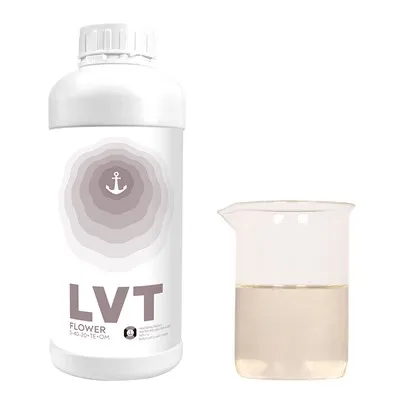
Copper is an essential micronutrient that plays a crucial role in the growth and development of plants. As a supplier of micronutrient water-soluble fertilizers, I have witnessed firsthand the importance of copper in promoting healthy plant growth. In this blog post, I will discuss the role of copper in micronutrient water-soluble fertilizers, its benefits for plants, and how it can be incorporated into your fertilization program. Micronutrient Water Soluble Fertilizer
The Role of Copper in Plant Physiology
Copper is involved in several key physiological processes in plants, including photosynthesis, respiration, and the synthesis of proteins and enzymes. It is an essential component of many enzymes, such as superoxide dismutase, which helps protect plants from oxidative stress. Copper also plays a role in the formation of lignin, a complex polymer that provides structural support to plant cells.
One of the primary functions of copper in plants is its role in photosynthesis. Copper is a component of the photosynthetic electron transport chain, which is responsible for converting light energy into chemical energy. Without sufficient copper, plants may experience reduced photosynthetic efficiency, leading to decreased growth and yield.
Copper is also important for the proper functioning of the plant’s immune system. It helps plants defend against pathogens and diseases by activating enzymes that are involved in the production of antimicrobial compounds. Additionally, copper plays a role in the regulation of plant hormones, which are essential for growth and development.
Benefits of Copper in Micronutrient Water-Soluble Fertilizers
Incorporating copper into micronutrient water-soluble fertilizers offers several benefits for plants. Here are some of the key advantages:
- Improved Nutrient Uptake: Copper helps improve the uptake and utilization of other essential nutrients, such as iron, zinc, and manganese. It enhances the efficiency of nutrient transporters in the plant roots, allowing for better absorption of nutrients from the soil.
- Enhanced Plant Growth and Yield: Adequate copper levels in the soil promote healthy plant growth and development. It stimulates root growth, increases the number of tillers and branches, and improves the overall vigor of the plant. This, in turn, can lead to higher yields and better-quality crops.
- Increased Resistance to Stress: Copper plays a crucial role in helping plants cope with various environmental stresses, such as drought, heat, and disease. It enhances the plant’s antioxidant defense system, which protects cells from oxidative damage caused by stress factors. By improving the plant’s resistance to stress, copper can help minimize yield losses and ensure the long-term health of the crop.
- Improved Nutritional Quality: Copper is involved in the synthesis of proteins, vitamins, and other bioactive compounds in plants. By providing sufficient copper through micronutrient water-soluble fertilizers, you can enhance the nutritional quality of the crops, making them more beneficial for human consumption.
Incorporating Copper into Your Fertilization Program
When it comes to incorporating copper into your fertilization program, there are several factors to consider. Here are some tips to help you make the most of copper in micronutrient water-soluble fertilizers:
- Soil Testing: Before applying any fertilizers, it is important to conduct a soil test to determine the current copper levels in the soil. This will help you identify any deficiencies or imbalances and determine the appropriate amount of copper to apply.
- Choose the Right Fertilizer: Look for micronutrient water-soluble fertilizers that contain a balanced blend of essential nutrients, including copper. The fertilizer should be formulated specifically for your crop type and growth stage to ensure optimal nutrient uptake and utilization.
- Application Timing and Rate: The timing and rate of copper application are crucial for maximizing its effectiveness. Copper is best applied during the early growth stages of the plant, when it is most actively taking up nutrients. Follow the manufacturer’s recommendations for application rates and frequencies to avoid over- or under-fertilizing.
- Foliar Application: In addition to soil application, foliar application of copper can be an effective way to provide a quick boost of this micronutrient to plants. Foliar sprays are absorbed directly through the leaves, allowing for rapid uptake and utilization. However, it is important to note that foliar application should not be used as a substitute for soil application, but rather as a supplement.
- Compatibility with Other Fertilizers and Pesticides: When using copper in combination with other fertilizers or pesticides, it is important to ensure their compatibility. Some chemicals may react with copper, reducing its effectiveness or causing phytotoxicity. Always read the product labels and follow the manufacturer’s instructions for mixing and application.
Conclusion
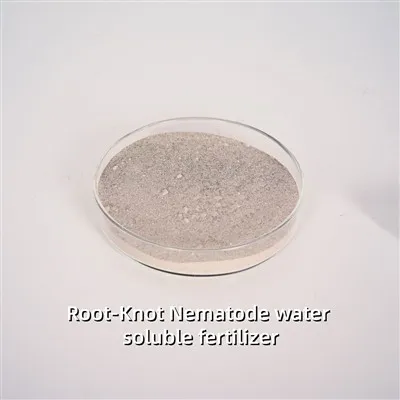
Copper is an essential micronutrient that plays a vital role in the growth and development of plants. As a supplier of micronutrient water-soluble fertilizers, I highly recommend incorporating copper into your fertilization program to promote healthy plant growth, improve nutrient uptake, and increase resistance to stress. By following the tips outlined in this blog post, you can make the most of copper in your fertilizers and achieve optimal results for your crops.
Amino Acid Water Soluble Fertilizer with Elemental Nutrients If you are interested in learning more about our micronutrient water-soluble fertilizers or have any questions about incorporating copper into your fertilization program, please feel free to contact us. We would be happy to discuss your specific needs and provide you with the best solutions for your agricultural operations.
References
- Marschner, H. (1995). Mineral Nutrition of Higher Plants. Academic Press.
- Mengel, K., & Kirkby, E. A. (2001). Principles of Plant Nutrition. Kluwer Academic Publishers.
- Epstein, E., & Bloom, A. J. (2005). Mineral Nutrition of Plants: Principles and Perspectives. Sinauer Associates.
- Havlin, J. L., Beaton, J. D., Tisdale, S. L., & Nelson, W. L. (2013). Soil Fertility and Fertilizers: An Introduction to Nutrient Management. Pearson.
Weifang Lvweite Bio-Tech Co., Ltd.
With abundant experience, we are one of the leading manufacturers and suppliers of micronutrient water soluble fertilizer in China. Please rest assured to buy bulk high quality fertilizers made in China here from our factory. If you have any enquiry about cooperation, please feel free to email us.
Address: No. 6 Xinchuan Rd, Xin’an Street, Anqiu City, Shandong, China
E-mail: info@lvtfertilizer.com
WebSite: https://www.lvtfertilizer.com/
