What are the installation space requirements for petrochemical equipment? Petrochemical Equipment
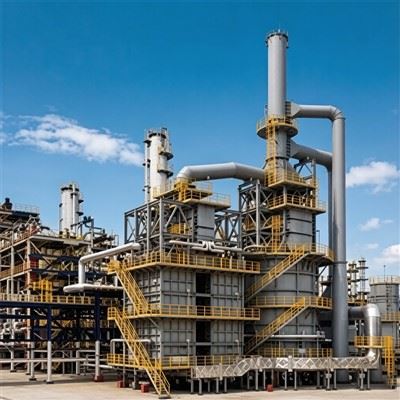
As a supplier of petrochemical equipment, I often get asked about the installation space requirements for our products. This is a crucial aspect that not only affects the smooth operation of the equipment but also the safety and efficiency of the entire petrochemical plant. In this blog, I will delve into the key considerations regarding the installation space for petrochemical equipment.
General Considerations
Before we start discussing the specific space requirements, it’s essential to understand the general principles. The installation space for petrochemical equipment should be determined based on several factors, including the type and size of the equipment, the process flow, maintenance requirements, safety regulations, and future expansion plans.
-
Equipment Type and Size
- Different types of petrochemical equipment have different spatial requirements. For example, a large – scale distillation column can be several stories high and require a significant amount of vertical and horizontal space. In contrast, some smaller pumps or valves may need relatively less space. The physical dimensions of the equipment, including its length, width, and height, are the primary starting points for determining the installation area.
- The shape of the equipment also matters. Some equipment may have irregular shapes, such as reactors with complex internal structures, which need to be considered when allocating space to ensure proper installation and access.
-
Process Flow
- The installation space should be designed to fit the overall process flow of the petrochemical plant. Equipment should be arranged in a logical sequence to minimize the distance of fluid transfer (gases or liquids) between different units. For instance, if we have a process where crude oil first enters a pre – treatment unit and then goes to a distillation column, these two pieces of equipment should be placed close enough to each other to reduce piping lengths, which in turn reduces frictional losses and energy consumption.
- Additionally, the flow of personnel and materials during the operation and maintenance phases should also be considered. There should be enough passageways around the equipment to allow easy movement of workers and tools.
-
Maintenance Requirements
- Adequate space must be provided for equipment maintenance. This includes room for opening access doors, removing covers, and replacing parts. For example, when it comes to heat exchangers, there should be enough space around them to allow for the removal of tube bundles for cleaning or repair.
- Maintenance also involves the use of lifting equipment, such as cranes or hoists. Therefore, there should be sufficient vertical and horizontal clearances to operate these tools safely. Some large – scale petrochemical equipment may require periodic major overhauls, which can involve disassembling large parts. The installation area should be designed to accommodate these large – scale maintenance activities.
-
Safety Regulations
- Safety is of utmost importance in the petrochemical industry. The installation space must comply with local and international safety regulations. For example, there should be a certain distance between different types of equipment to prevent the spread of fire or explosion. Flammable and explosive equipment often needs to be separated from non – hazardous equipment by a specified safety buffer zone.
- There should also be enough space for emergency evacuation routes and the installation of safety equipment such as fire extinguishers, deluge systems, and emergency exits. The layout of the equipment should ensure that safety personnel can easily access any part of the area in case of an emergency.
-
Future Expansion Plans
- A well – designed petrochemical plant should consider future expansion plans.预留一定的空间 for the addition of new equipment or the modification of existing processes. This means that the initial installation area should not be fully occupied, and there should be some buffer areas for potential growth. For example, if the plant plans to increase its production capacity in the future, there should be enough space to install additional reactors or storage tanks.
Specific Examples of Equipment Installation Space Requirements
-
Storage Tanks
- Storage tanks are a common type of petrochemical equipment. The installation space for storage tanks depends on their size, shape, and the number of tanks. For vertical cylindrical tanks, the space between tanks should be at least 0.4 times the diameter of the larger tank, according to industry standards. This is to prevent the spread of fire and to allow for maintenance activities such as tank inspection and repair.
- There should also be sufficient space around the tanks for the installation of piping, valves, and access platforms. The area around the tanks should be flat and well – drained to prevent the accumulation of flammable liquids in case of a leak.
-
Pumps and Compressors
- Pumps and compressors require space for proper ventilation. They generate heat during operation, and good ventilation is needed to prevent overheating and extend their service life. The installation area should have enough room for the connection of inlet and outlet pipes, as well as for the installation of control panels and monitoring equipment.
- For maintenance, there should be enough clearance around the pumps and compressors to remove and replace parts. Maintenance workers need to be able to access the motor, impeller, and other components easily.
-
Reactors
- Reactors are often the core equipment in petrochemical processes. They need a large amount of space due to their size and the need for safety and control. The installation space should allow for the installation of agitators, heating or cooling systems, and measuring instruments.
- Reactors may involve high – pressure and high – temperature operations. Therefore, there should be a safety area around the reactor to protect workers from potential hazards. Additionally, there should be space for the connection of raw material inlets and product outlets, as well as for the installation of emergency relief systems.
Site – Specific Factors
In addition to the equipment – related factors mentioned above, site – specific factors also play an important role in determining the installation space requirements.
-
Geographical Location
- If the petrochemical plant is located in an area with high seismic activity, additional space may be needed for earthquake – resistant design. This could include wider spacing between equipment to allow for movement during an earthquake and the installation of seismic isolation devices.
- In coastal areas, factors such as wind and wave loadings need to be considered. The equipment may need to be more firmly anchored, and there should be enough space to ensure the stability of the installation in such environments.
-
Land Availability and Topography
- The available land area and its topography directly affect the layout of the equipment. If the land is limited, more compact designs may be required. However, this should not compromise safety and maintenance requirements. In hilly areas, the installation of equipment may need to be adjusted to fit the terrain, which may result in different space requirements compared to flat land.
Design and Layout Optimization
To make the most of the installation space, design and layout optimization are crucial. This can be achieved through the following methods:
-
3D Modeling and Simulation
- Using 3D modeling software, engineers can create a virtual model of the petrochemical plant. This allows them to visualize the equipment layout and identify any potential space – related issues in advance. Simulation can also help in analyzing the process flow, heat transfer, and safety aspects. By optimizing the layout in the virtual environment, the actual installation space can be used more efficiently.
-
Modular Design
- Modular design involves pre – fabricating equipment in modules and then assembling them on – site. This approach can save installation time and space. Modules can be designed to fit together in a more compact way, and the overall layout can be more easily adjusted according to the available space.
-
Collaboration between Different Disciplines
- The design of the installation space requires collaboration between different disciplines, such as process engineers, mechanical engineers, and safety experts. Process engineers can provide information about the process flow and equipment requirements, mechanical engineers can design the equipment and its installation details, and safety experts can ensure that all safety regulations are met. By working together, a more optimized and space – efficient design can be achieved.
Contact for Procurement and Consultation
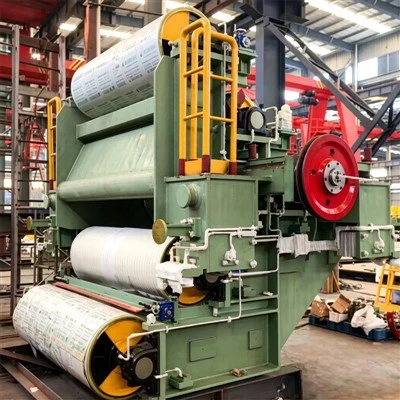
If you are in the market for petrochemical equipment and have questions about the installation space requirements or any other aspects of our products, we are here to help. Our team of experienced engineers and technicians can provide you with detailed information and customized solutions based on your specific needs. We understand the importance of getting the installation space right, and we are committed to ensuring that our equipment meets the highest standards of safety, efficiency, and performance.
Furnace Tube Feel free to reach out to us for a consultation. We can discuss your project requirements, provide quotes, and offer technical support throughout the procurement and installation process. Let’s work together to build a successful petrochemical project.
References
- API (American Petroleum Institute) Standards for Petrochemical Equipment Installation.
- ASME (American Society of Mechanical Engineers) Codes and Standards related to Equipment Design and Installation.
- Local and International Safety Regulations for Petrochemical Plants.
Jiangsu Dongfang Whole-Set Equipment Manufacturing Group Co., Ltd.
We are one of the most professional petrochemical equipment manufacturers and suppliers in China, also support customized service. With abundant experience, we warmly welcome you to buy durable petrochemical equipment from our factory. If you have any enquiry about pricelist, please feel free to email us.
Address: No. 9, Industrial Park, Xinqiao Town, Jingjiang City, Jiangsu Province
E-mail: dfctwm@163.com
WebSite: https://www.dongfangequip.com/
