Torque capacity is a critical parameter when it comes to planetary gear parts, which play an indispensable role in a wide array of mechanical systems. As a trusted provider of planetary gear parts, I’m often asked about the torque capacity of these components. In this blog post, I’ll delve into the concept of torque capacity, explaining what it is, how it’s determined, and why it matters in the context of planetary gear parts. Planetary Gear Parts

Understanding Torque Capacity
Torque can be thought of as a measure of the force that can cause an object to rotate around an axis. In simpler terms, it’s the "twisting" force that makes a gear turn. Torque capacity, then, is the maximum amount of torque that a planetary gear part can handle without experiencing failure or excessive wear.
Failure in this context can take different forms. It might mean that the gear teeth break, which is a catastrophic failure that can render the entire planetary gear system inoperable. Another type of failure is excessive wear on the gear teeth, which can lead to reduced efficiency, increased noise, and ultimately, early replacement of the gear parts.
Factors Affecting Torque Capacity
The torque capacity of planetary gear parts is influenced by several factors. Let’s take a closer look at some of the most significant ones:
1. Material of the Gear
The material from which the planetary gear is made is a fundamental determinant of its torque capacity. High – strength materials such as alloy steels are commonly used in the manufacturing of planetary gears because they can withstand high levels of stress. For example, gears made from carburized alloy steels have a hard outer layer that resists wear and a tough inner core that can absorb shock loads. This combination allows them to handle higher torque compared to gears made from less robust materials like cast iron.
2. Gear Geometry
The size and shape of the gear teeth also play a crucial role in torque capacity. Gears with larger teeth generally have a higher torque capacity because they can distribute the load over a greater surface area. The pitch of the gear, which is the distance between corresponding points on adjacent teeth, also affects torque capacity. A finer pitch gear may have more teeth, which can spread the load more evenly, but it may also have thinner teeth that are more prone to breakage under high torque.
The helix angle of helical gears, a type of planetary gear, is another geometric factor. Helical gears with a larger helix angle can transmit more torque smoothly because the load is distributed over multiple teeth at the same time. However, they also generate axial forces that need to be properly managed.
3. Heat Treatment
Heat treatment processes can significantly enhance the torque capacity of planetary gear parts. Processes like quenching and tempering can improve the hardness and toughness of the gear material. For instance, quenching rapidly cools the gear from a high temperature, which creates a hard martensitic structure. Tempering then follows to relieve internal stresses and improve the ductility of the gear, making it more resistant to cracking under high – torque conditions.
4. Lubrication
Proper lubrication is essential for maintaining the torque capacity of planetary gear parts. Lubricants reduce friction between the gear teeth, which in turn reduces wear and heat generation. When gears are well – lubricated, they can transmit torque more efficiently, allowing the gear system to operate at higher torque levels without overheating or excessive wear. The type of lubricant, its viscosity, and the lubrication method (such as splash lubrication or forced lubrication) all impact the performance and torque capacity of the gears.
Determining Torque Capacity
Calculating the torque capacity of planetary gear parts is a complex process that typically involves a combination of theoretical analysis and experimental testing.
Theoretical Calculations
Engineers use mathematical models to estimate the torque capacity based on the gear’s geometry, material properties, and operating conditions. These models take into account factors like the allowable stress on the gear teeth, the contact and bending stresses, and the load – sharing characteristics of the planetary gear system. For example, the AGMA (American Gear Manufacturers Association) standards provide formulas and guidelines for calculating the load – carrying capacity of gears, which can be used as a starting point for determining torque capacity.
Experimental Testing
In addition to theoretical calculations, experimental testing is often carried out to validate the torque capacity. This involves subjecting the planetary gear parts to increasing levels of torque in a controlled laboratory environment until failure occurs. The data collected from these tests can be used to refine the theoretical models and ensure that the gears can meet the specified torque requirements in real – world applications.
Why Torque Capacity Matters
Torque capacity is of utmost importance in various applications of planetary gear parts:
Automotive Industry
In automatic transmissions, planetary gear sets are used to provide different gear ratios. The torque capacity of the planetary gears determines the amount of power that can be transmitted from the engine to the wheels. If the gears have insufficient torque capacity, they may fail prematurely, leading to costly repairs and potentially dangerous situations on the road.
Aerospace Industry
In aircraft actuators, planetary gears are used to control various flight surfaces. High torque capacity is essential because these mechanisms need to operate reliably under extreme conditions, including high vibrations and temperature variations. A failure in the planetary gear system could have catastrophic consequences for the aircraft.
Industrial Machinery
In conveyor systems, machine tools, and other industrial equipment, planetary gears are used to transmit power and control speed. The torque capacity of the gears affects the overall performance and productivity of the machinery. If the gears cannot handle the required torque, the equipment may experience frequent breakdowns and reduced efficiency.
As a Planetary Gear Parts Supplier
As a supplier of planetary gear parts, we understand the importance of torque capacity in meeting our customers’ needs. We work closely with our engineering team to ensure that our gears are designed and manufactured to have the highest possible torque capacity.
We start by carefully selecting the materials for our gears based on the specific requirements of each application. We use advanced manufacturing techniques to ensure precise gear geometry, which is crucial for optimal load distribution and high torque capacity. Our heat treatment processes are carefully controlled to enhance the mechanical properties of the gears, and we pay close attention to lubrication recommendations to ensure smooth operation and long – term durability.
We also offer custom – made planetary gear parts. If you have unique torque requirements for your application, our experienced engineers can work with you to design and manufacture gears that meet your exact specifications.
Contact Us for Your Planetary Gear Needs
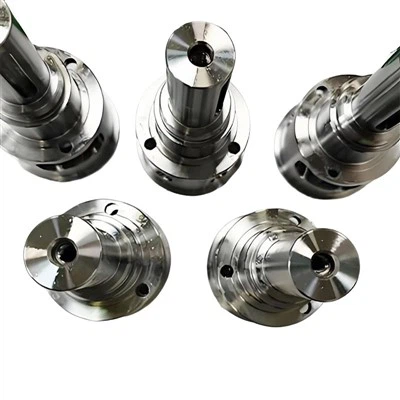
Whether you’re in the automotive, aerospace, or industrial sector, having planetary gear parts with the right torque capacity is essential for the success of your machinery or equipment. If you’re looking for high – quality planetary gear parts with reliable torque capacity, we’re here to help.
Artificial Heart Parts Get in touch with us to discuss your requirements, and let’s start a conversation about how our planetary gear parts can meet your needs. We’re committed to providing you with the best products and services, ensuring that your mechanical systems operate at their best.
References
- Dudley, D. W. (1984). Dudley’s Gear Handbook. McGraw – Hill.
- AGMA Standards. American Gear Manufacturers Association.
- Buckingham, E. (1949). Analytical Mechanics of Gears. McGraw – Hill.
Jiangsu Zhengfang Dynamics Technology Co., Ltd.
As one of the most professional planetary gear parts manufacturers and suppliers in China, we’re featured by quality products and good price. Please rest assured to buy customized planetary gear parts made in China here from our factory. Contact us for pricelist.
Address: Building 3, No. 69 Feitian Avenue, Jiangning District, Nanjing City, Jiangsu Province
E-mail: hanks.liu@zfdynamics.com
WebSite: https://www.zhengfangdongli.com/
