Hey everyone, thanks for stopping by. I’m the owner of a local dump truck supplier, and over the past 12 years, I’ve helped hundreds of contractors, small business owners, and even a few first-time buyers score a solid used dump truck… and I’ve seen way too many walk away with a lemon that cost them way more than it should’ve. Dump trucks aren’t like pickups you drive to the grocery store – they’re workhorses that haul dirt, gravel, asphalt, and whatever else you throw in the bed. Mess up the inspection, and you’re looking at thousands in unexpected repairs before you even turn a profit on your first job. Today, I’m breaking down exactly what to check before you sign on the dotted line. No fancy industry jargon, just real stuff I (and my techs) actually look at every single time. Dump Truck
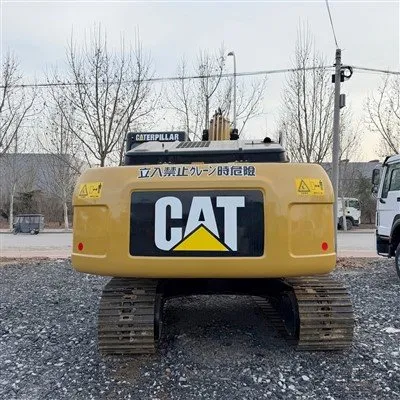
First things first: before you even get under the truck, do a walkaround. I know it sounds basic, but so many people skip this part and regret it. Start at the front bumper and work your way all the way to the back, slow down, and look for inconsistencies. Dump trucks take a beating – they’re often backed into curbs, loaded too heavy, and driven on rough job sites. If the frame is bent, that’s a non-starter. How do you tell? Look at the gap between the cab and the bed, and also between the front fenders and the frame rails. If one side’s gap is way bigger than the other, or the bed looks like it’s tilted to one side, that’s a sign of either a bad accident or overloading that twisted the frame. Frame damage doesn’t just affect how it drives – it can make the dump hoist work unevenly, cause alignment issues that wear out tires fast, and even make the truck unsafe to haul heavy loads long-term. We had a guy come to us last year who bought a used dump without checking the frame; he hauled a load of topsoil 50 miles, and the frame cracked in half halfway there. Totaled the truck before he even used it for a month.
Next, check the bed itself – that’s the whole point of the truck, right? You don’t want a bed with holes big enough to catch small rocks, or rust so bad it’s paper-thin. Run your hand along the bottom and the sides of the bed. If it feels rough or has flaking rust, that’s a red flag. Also, look at the corners – those are the most common spots for rust and damage because they take the brunt of dumping heavy, angular materials. Pro tip: if the bed has a spray-on liner, don’t let that fool you. A good liner hides a ton of rust and holes. Peel back a small corner of the liner near the tailgate to check underneath. And hey, if the bed’s been modified? Like, someone welded on extra rails or a custom tailgate? Make sure that work was done right – bad welding on a dump bed can cause it to separate mid-dump, which is super dangerous. Don’t forget to check the tailgate, too. Open and close it a few times. Does it latch smoothly? Does it stay closed when you’re driving over rough terrain? A wonky tailgate that rattles open on a job site can lose you material, slow you down, and even cause accidents.
Okay, so the walkaround checks out – now it’s time for the undercarriage. I always bring a flashlight and a pair of work boots for this. First, check the hoist system – that’s what lifts the bed, and it’s the most expensive part of the whole truck to fix. There are two main types of hoists on used dumps: hydraulic and chain. Most newer models are hydraulic, which is fine, but they can have leaks. Look at the hydraulic lines, the cylinder, and the reservoir. If there’s wet, dark fluid (it smells like petroleum, trust me) dripping from the hoist, that’s a leak. Small leaks might be fixable, but big ones mean you’re looking at replacing lines or the cylinder, which can run into thousands of dollars. Also, operate the hoist a few times (most sellers will let you, as long as you ask nicely) – does the bed lift smoothly, or does it jerk or make weird grinding noises? If it jerks, that could be a worn-out hydraulic pump, which is another expensive fix. For chain hoists, check the chains for rust, kinks, or broken links. Make sure the chain tension is even on both sides – if one chain’s way looser than the other, the bed will lift unevenly, which again, is bad for the truck and unsafe.
While you’re under there, check the suspension and axles. Dump trucks are heavy, so suspension parts take a ton of abuse. Look at the leaf springs (those big metal strips under the frame) for broken or cracked leaves. If a leaf is broken, that means the truck’s carrying a load that the suspension isn’t built for, or it’s just worn out. Also, check the U-bolts that hold the springs to the axle – make sure none are loose or rusted off. And don’t forget the axles themselves. Check for oil leaks around the differential and wheel hubs. A small leak now can turn into a big problem (like axle failure) if you don’t fix it soon. If you see wet, oily buildup around the axles, ask the seller when it was last serviced, and factor a new seal or bearing into your budget if it’s needed.
Tires and wheels might seem small, but they’re a huge cost. Most used dump trucks have heavy-duty tires, which aren’t cheap. First, check the tread depth. The legal minimum is 4/32 of an inch for drive tires, but you want at least 6/32 if you’re going to use it for hauling heavy stuff. You can use the penny test: stick a penny into the tread with Lincoln’s head facing down. If you can see the top of his head, the tread’s too low – time for new tires. Also, check for uneven wear. If the inside or outside of the tire is worn way more than the rest, that’s a sign of alignment issues, worn bearings, or even bent rims. And don’t just check the four main tires – don’t forget the spare, and make sure the wheels are the same size and rating as the others. Mismatched wheels can cause balance issues, which wear out tires fast and make the truck hard to drive.
Now that you’re back above ground, it’s time to get the truck running. Start with the engine. Turn the key, and listen for weird noises – knocking, ticking, or grinding. A healthy diesel engine (most dump trucks run on diesel, by the way) should idle smoothly, no rough shakes. Also, check the exhaust. If it’s blowing thick white, blue, or black smoke when you start it, that’s a problem. White smoke might be a coolant leak (bad for the engine), blue smoke means it’s burning oil (another expensive fix), and black smoke means it’s running too rich, which wastes fuel and damages the engine over time. Then, check the oil. Pull the dipstick, and look at the color. Fresh oil is amber, but it shouldn’t be black or gritty. If it’s black and has metal shavings, that means the engine’s been worn down by lack of service. Also, check the coolant reservoir. Is the coolant level full? Is it the right color (usually green, orange, or yellow depending on the type)? Mixing coolant types can cause clogs in the radiator, which overheats the engine. And while you’re at it, check the air filter. A dirty air filter lowers fuel efficiency and can damage the engine – if it’s super dirty, that’s a sign the truck wasn’t well maintained.
Next, test the hydraulics beyond the hoist. If you’re planning to use the truck for attachments (like a snow plow, or a garbage hoist, or even a crane), check the auxiliary hydraulics, but at least make sure the hoist works reliably (we already talked about that, but operate it a few more times to be sure). Also, check the brakes – dump trucks are heavy, so brakes have to be good. Pump the brake pedal a few times, and make sure it doesn’t sink all the way to the floor. If it does, that’s a leak in the brake lines or bad brake pads. Then, test the brake system while driving (take it for a test drive, obviously, on a quiet road or job site). Does it stop smoothly, or does it jerk or pull to one side? Pulling to one side means the brakes are worn unevenly, which is a safety hazard and needs to be fixed. Also, check the parking brake – that’s non-negotiable. Pull it on, and make sure the truck doesn’t roll when you’re on an incline. A bad parking brake is a huge safety risk, especially when you’re parked on a job site.
Don’t skip the cab and interior – this part might seem trivial, but it tells you a lot about how the previous owner treated the truck. If the cab is filthy, with broken seats, a torn dashboard, and missing gauges, that’s a sign the owner didn’t take care of the rest of the truck either. Check all the gauges: speedometer, tachometer, fuel gauge, temperature gauge, and the engine warning lights. Turn the key without starting the engine, and make sure all the warning lights turn on (they should turn off once the engine starts). If a warning light stays on, that means there’s a code that needs to be checked. Also, check the odometer – wait, but don’t just trust the number. Dump trucks are often used for heavy hauling, which wears out engines fast. A truck with 150,000 miles that was used for light work might be better than a truck with 100,000 miles that hauled 20-ton loads every day. Ask the seller for service records – if they don’t have any, that’s a red flag. Most reputable sellers (like me) keep all service records, oil changes, brake replacements, hoist overhauls, everything. If the seller can’t show you any, walk away – or at least plan to put aside extra cash for unexpected repairs.
Wait, one big thing I almost forgot: the title. Make sure the truck has a clear title, no liens, no salvage label. A salvage title means the truck was totaled in an accident, and even if it looks good, it might have hidden structural damage. A lien means the seller still owes money on the truck, and if you buy it, you could be on the hook for that debt. Ask to see the title before you even negotiate on price – if they can’t show it, that’s a hard pass.
Now, let’s talk about price. Don’t just look at the upfront cost – factor in the repairs you might need. If a truck is $5,000 cheaper than others but has a bad hoist and worn tires, you might end up spending $10,000 to fix it, which is way worse than paying the extra $5k for a truck that’s ready to work. Also, get a pre-purchase inspection (PPI) from a trusted mechanic who works on dump trucks, not just your regular car mechanic. They’ll climb under, run diagnostics, and tell you exactly what’s wrong, so you don’t miss anything. I always recommend my buyers do a PPI – it costs a few hundred dollars, but it can save you tens of thousands in the long run.
Last thing: if you’re in the market, feel free to reach out. I’ve been in this game for over a decade, and I can help you find the right used dump truck that fits your needs and budget, no pressure. Whether you’re a small contractor just starting out, or you need an extra truck for your growing business, I can walk you through every step, answer all your questions, and make sure you get a truck that works as hard as you do. No gimmicks, no hidden fees – just honest advice from someone who’s seen it all.
Curtain Side Trailer References:
- National Institute for Automotive Service Excellence. Commercial Medium and Heavy Truck Inspection Guidelines. 2022.
- Truck Paper. Used Dump Truck Buyer’s Guide: Key Inspection Steps. 2023.
- Occupational Safety and Health Administration. Heavy Equipment Safety Standards for Dump Trucks. 2021.
- The Construction Owners Association of America. Used Equipment Evaluation Checklist. 2022.
Shandong Huayuanda Automobile Manufacturing Co., Ltd.
As one of the most experienced dump truck manufacturers and suppliers in China, our products have good reputation in the market. We warmly welcome you to buy high quality dump truck at low price from our factory. If you have any enquiry about cooperation, please feel free to email us.
Address: Industrial Park, Quanpu Town, Liangshan County, Jining City, Shandong Province
E-mail: Huayuanda2024@163.com
WebSite: https://www.hydtrailer.com/
