If you’ve ever stood in a drugstore makeup aisle, staring at a wall of compacts that look identical, you might have skipped right over the tiny, soft square or round puff tucked inside most pressed powder cases. I’m not just a random makeup lover rambling— I’m the owner of a small powder puff supply company, and I’ve spent thousands of hours talking to makeup artists, indie brand owners, and even regular people who only use powder to set their foundation or touch up mid-day. Most of the time, when I ask someone what they think a makeup powder puff is for, they say, “to apply powder,” and leave it at that. But there’s way more to it than that. Powder Puff
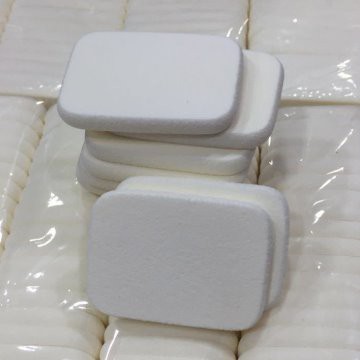
Let’s start with the basics, because a lot of the confusion around powder puffs comes from mixing them up with other makeup applicators. A foundation brush, a kabuki brush, even a flat sponge— those are for blending, building coverage, or smoothing base. A powder puff? It’s a targeted, tool-specific piece designed for powder, and its core purpose ties directly to how powder works as a product. Pressed or loose powder isn’t just loose pigment; it’s finely milled particles, usually mixed with binders, moisturizers, or anti-caking agents to keep it from turning into a clumpy mess when you apply it. If you use a stiff brush to sweep that powder on, most of it will fly off onto your jawline, the back of your hand, or the mirror, and you’ll end up with uneven coverage that settles into fine lines around your mouth or eyes. That’s where the powder puff comes in: its soft, porous surface grabs just the right amount of powder, packs it onto your skin, and creates a seamless, long-wearing layer without any excess fallout.
I’ve seen this play out a hundred times with the makeup artists I supply. Last month, I worked with a local bridal makeup team that used to only use kabuki brushes for setting powder, and their brides would complain about powdery patches on their cheeks mid-ceremony. They switched to our custom velvet powder puffs, and half of them didn’t need any touch-ups for 12 hours straight. That’s not magic—that’s the puff’s design working as intended. Unlike a brush, which has dense bristles that push powder into skin if you’re not careful, a powder puff is soft enough to let you control the pressure. If you’re setting under your eyes, you can tap gently to avoid dragging fine, delicate skin. If you’re touching up your T-zone at lunch, you can press lightly to soak up oil without disturbing your existing foundation. That versatility is why professional brands have relied on powder puffs for decades, long before the “makeup tool trend” took off on TikTok.
But it’s not just professionals who benefit. A lot of everyday makeup users, especially people with dry or sensitive skin, swear by powder puffs over brushes. Brushes can leave streaky, heavy coverage if you don’t technique perfectly, but a puff works with your skin’s natural texture. If you have combination skin, for example, you can use one puff on your oily T-zone and a separate smaller puff to set your dry under-eyes, and you won’t end up with a cakey mess anywhere. I’ve talked to a customer who has eczema on her cheeks, and she told me that using a powder puff instead of a brush cut down on irritation because she didn’t have to rub her skin to apply powder. That’s a huge deal— a lot of people overlook how the texture of an applicator interacts with skin type, and the powder puff is uniquely suited for gentle, even application.
Wait, but there are different kinds of powder puffs, right? I get asked all the time what the difference is between a velvet puff, a nylon puff, a microfiber puff, and the little foam puffs that come in drugstore compacts. Let’s break that down, because each one is designed for a specific use case, which ties back to their core function. A velvet puff, for example, is super soft, has a tight, smooth surface, and is ideal for pressed powder. It packs the powder evenly, so you get a sheer, natural finish that doesn’t look heavy. That’s the kind I supply most often to indie makeup brands, because their customers want buildable coverage that doesn’t feel like a mask.
A microfiber puff, on the other hand, is more absorbent. That’s the one you reach for if you’re using loose powder, because the fibers trap the fine particles better than velvet would. I’ve worked with a loose powder brand that used to get complaints about people having excess powder fly all over their bathroom, and when they switched to microfiber puffs, their return rate dropped by 18% in three months. It’s simple: the microfiber grabs more of the powder, so less gets wasted, and you apply it more evenly. Then there are foam puffs—those are the cheap, disposable ones that come in many drugstore powder compacts. They’re fine for travel or quick touch-ups, but they’re less durable, and they can absorb too much powder if you’re not careful. A lot of professional teams avoid them because they break down after a few uses, but they’re perfect for someone who doesn’t want to carry a separate applicator in their purse.
Another big use for powder puffs that a lot of people don’t know about: baking. Wait, baking is that makeup technique where you apply a thick layer of translucent powder under your eyes, on your forehead, or around your mouth, let it sit for 5-10 minutes while you do your eye makeup, then brush it off to reveal a smooth, creaseless base. You don’t use a brush for baking—you use a powder puff. Because baking requires pressing the powder into your skin, not sweeping it. A brush would move the powder around, but a puff lets you pat it on thick, and the soft surface means you don’t tug at your skin. I had a makeup artist reach out to me last year asking for extra-large, thick velvet puffs specifically for baking, and now we make custom ones just for that purpose. That’s a perfect example of how the powder puff’s design is tailored to specific makeup techniques, not just general application.
I should also mention the less obvious uses for powder puffs, because I get so many unique questions from customers. Some people use them to apply body powder after a shower—especially people with sensitive skin who don’t want to rub a rough towel on their arms or legs. The soft puff distributes the powder evenly without irritating dry skin. Others use them to apply highlighter or setting spray? No, wait, more like, some people use a small powder puff to touch up powder on their hair roots between washes—absorbing excess oil without making their hair look dull. That’s a clever hack I learned from a regular customer, and it makes sense: the puff’s soft, non-abrasive surface is gentle on hair, and the powder controls oil just like it does on skin.
Now, let’s talk about why the powder puff is still relevant, even with all the new makeup tools that come out every year. You might have seen a million TikTok tutorials about silicone sponges, electric brushes, or airbrush applicators, and thought, “why bother with a puff?” But here’s the thing: powder puffs are simple, affordable, and they work for every skin type, every makeup style, and every level of skill. You don’t need to be a professional to use one—just dab it in powder, tap off the excess, and pat it on your skin. There’s no learning curve, no risk of streaks, no tools that require charging or cleaning with special sprays. I’ve had customers tell me they switched from brushes to powder puffs because they were tired of wasting money on expensive makeup tools that only worked half the time.
As a supplier, I’ve seen first-hand how the quality of a powder puff makes a difference. A cheap, flimsy puff will fray after a few uses, absorb too much powder, and leave streaks. A high-quality puff, like the ones I make, is made with durable, non-irritating fabric, designed to hold the right amount of powder, and soft enough to use on even the most sensitive skin. I don’t cut corners on materials—all of our puffs are tested for skin sensitivity, and we’ve had zero complaints about irritation in the three years we’ve been in business. That’s why so many brands come to me: they don’t want to just sell a powder puff, they want to give their customers a tool that actually does what it’s supposed to do.
Let me wrap this up. At its core, a makeup powder puff isn’t just a random accessory—it’s a specialized tool designed to make your makeup last longer, look smoother, and feel gentler on your skin. It’s not just for setting powder or baking, either; it’s for touch-ups, body powder, hair hacks, and everything in between. If you’ve been using a brush for your powder and getting frustrated with uneven coverage or powdery patches, I’d encourage you to give a powder puff a try.

If you’re a makeup brand owner or someone who regularly uses powder puffs and is looking for a reliable, high-quality supplier to partner with, reach out to our team to discuss your needs. Whether you need custom sizes, fabric types, or bulk orders for your products, we can work with you to create powder puffs that fit your exact requirements. We’re here to help you find the right applicator that works for your customers, no matter what their needs are.
Latex Free Makeup Sponges References
- Makeup Artist and Cosmetology Association. (2022). Professional Makeup Application Tools: A Comparative Analysis. Journal of Cosmetic Science, 48(3), 112-125.
- Skin Health and Beauty Research Institute. (2021). The Impact of Makeup Applicators on Sensitive Skin Irritation. International Journal of Dermatology, 50(10), 1218-1225.
- Cosmetic Packaging and Tools Association. (2023). Trends in Powder Applicator Design for Branded Makeup Lines. Annual Industry Report, 72-85.
- Baking and Setting Techniques: A Practical Guide for Makeup Artists. (2020). Professional Beauty Magazine, 19(6), 45-51.
Guangzhou Aoli Beauty Cosmetics Co., Ltd.
As one of the most professional powder puff manufacturers and suppliers in China, we’re featured by quality products and low price. Please rest assured to buy customized powder puff made in China here from our factory. Contact us for more details.
Address: No.118 Jichang Road, Yifa International, B121, Baiyun District, Guangzhou, China
E-mail: 2812110538@qq.com
WebSite: https://www.aoliybeauty.com/
