Hey everyone, I’m Jake, and for the last 7 years, I’ve run a coffee table supply business that works with interior designers, small furniture shops, and even regular folks fixing up their living rooms or apartments. One question I get asked all the time by new clients and customers alike is: “Should my coffee table match my dining table?” It sounds simple, right? But over the years, I’ve seen way too many people make this call based on Instagram trends or random TikTok hacks that don’t actually work for real life. Today, I’m breaking this down the way I do with my team—no fancy design jargon, just straight-up stuff that actually works for your space. Coffee Tables

First off, let’s get one thing clear: I don’t think there’s a universal “yes” or “no” here. That’s the mistake a lot of people make, especially when they’re scrolling through those “perfect home decor” reels that show every piece matching exactly. Real homes have weird sizes, messy habits, and things you actually use—like kids’ toys, work laptops, or that giant snack bowl you never put away. So let’s start with why some people do match them, and when that makes total sense.
If you’ve got a small open-concept space, like a studio apartment or a 1-bed where the living and dining areas basically blend into one, matching tables can feel like a game-changer. I worked with a designer last month who was helping a guy in Brooklyn with a 500 sq ft studio; his dining table was a dark walnut farmhouse style, and he was nervous his coffee table would stick out. When we went with the same finish and a similar rectangular shape, the space didn’t feel cluttered at all—instead, it felt intentional. No random pieces floating around, which is key when you don’t have separate rooms to define zones. That’s the science bit, by the way: open-concept spaces need visual cohesion to keep from feeling disjointed. If everything’s matching, your eye doesn’t bounce back and forth between unrelated pieces, so the whole room feels bigger and calmer.
But wait—what if your dining table is super ornate? Like, carved legs, a fancy marble top, something that grabs all the attention. Trying to match that? It’s gonna backfire. I learned that the hard way a few years back when a client brought in a dining table from a high-end brand—solid oak with intricate details, and she insisted on a coffee table that was identical. When she put it together, the room felt way too busy. Two pieces that look almost the same, both with tons of detail, made the space feel cluttered instead of elegant. So matching works best when both tables have simple lines, or when you need that cohesion for a tiny space.
Now, the flip side: when you shouldn’t match them, and how to pull that off without it looking messy. A lot of my regular customers have separate living and dining rooms—like a 2-bed where you’ve got a formal dining space and a casual living area. In that case, mismatching is not just okay, it’s actually better. Why? Because each space has a different job. Your dining table is for family meals, hosting guests, maybe even homework. Your coffee table is for lounging, playing games, setting out mugs. They don’t need to look like they came from the same set to feel like they’re part of the same home.
That said, mismatching doesn’t mean “just grab two random tables from the store.” There’s a balance here. I tell my customers to pick one throughline, not the exact same thing. For example, if your dining table is a mid-century teak number, go with a coffee table that’s a different shape—maybe a round one instead of rectangular, or a different material like concrete—but keep the warm wood tone. Or if your dining table is a light oak with white legs, a coffee table in a dark walnut with a similar flat top will tie the two together without being identical. I had a customer last year who did exactly that: her dining table was a reclaimed pine round, and her coffee table was a black metal rectangular. The contrast looked great because she stuck to the “natural + industrial” vibe that was the whole room’s theme. No clash, no disconnect—just a room that feels like her, not a catalog spread.
Another thing I see way too much: people stressing over wood finishes. Like, if their dining table is walnut, they think their coffee table has to be walnut too. Newsflash: that’s not true either. I’ve sold hundreds of coffee tables in walnut, oak, maple, even glass tops, and the ones that do best with mismatched dining tables are the ones where the finish complements, not copies. If your dining table is dark walnut, a light oak coffee table will add nice contrast—warm tones, but different enough that each piece stands on its own. If your dining table is a light ash, a black metal coffee table can add a sleek, modern touch that doesn’t fight the light wood.
Wait, let’s talk about size, because that’s a hidden factor no one mentions. Your coffee table shouldn’t be bigger than half the size of your dining table, regardless of matching or not. That’s a rule I’ve stuck to for years, and it’s backed by how people use the space. I worked with a family in Chicago who had a dining table that was 72 inches long, and they tried a coffee table that was 60 inches. It took up too much of their living room, made it feel cramped, and they complained they couldn’t walk around it easily. Once they swapped it for a 36-inch table, everything shifted—even though the finish was different (their dining table was oak, coffee table was dark gray), the size made it work. So size matters way more than matching, and that’s a key point a lot of design blogs skip.
What about materials? Let’s say your dining table is a glass top with metal legs. Can you do a wood coffee table? 100%. I’ve done that a dozen times. The glass adds light, the wood adds warmth—perfect for a mix of modern and cozy. Or if your dining table is a solid wood block, a glass coffee table keeps the space feeling open, not heavy. Again, it’s about balance, not matching the exact material. One mistake I do warn against: don’t mix super heavy, chunky pieces in both areas. If your dining table is a solid oak heavy-duty number, a coffee table that’s a thin glass top might feel wimpy, or vice versa. Stick to a similar weight class—substantial but not overwhelming—so the room feels grounded.
Now, let’s tackle the “trend vs. timeless” thing. A lot of people ask me if matching is a trend that’ll go out of style. To be honest, the exact “matchy matchy” set pieces are a little less popular than they were 10 years ago, but the idea of cohesion is still big. Even if your tables don’t match, having something that ties them together—same color family, similar material vibe, same style era—makes the room feel intentional, not like you just grabbed whatever was on sale. I see a lot of young renters who don’t want to spend a ton, so they buy a cheap dining table and a cheap coffee table, and they end up with two pieces that look nothing like each other, and the room feels messy. That’s when a tiny tweak—like a throw blanket on the coffee table that matches the dining table’s placemats, or a lamp in the same metal as the dining table’s hardware—fixes it way more than making the tables match.
Wait, let’s get real about my own business. I started this because I got sick of seeing people buy coffee tables that were just copies of dining tables, which are often more expensive, so they end up with a space that feels generic. A customer once told me she bought a matching coffee and dining table set, but after 6 months, she hated it because it felt like every other house on her street. She came to me and bought a different coffee table, and she said it made her living room feel like hers again. That’s the sweet spot—your furniture should reflect you, not a Pinterest board.
So when should you make them match? Let’s recap the scenarios:
- Your space is super small (under 600 sq ft) open-concept, where blending the two areas is key.
- You have a formal dining room that’s separate from the living room, but you want a subtle, polished look without trying too hard.
- Both tables have simple, clean lines—no ornate carvings or busy details, so matching doesn’t feel cluttered.
When shouldn’t you match?
- You have a larger space where each area has its own function, and you want each to feel like a distinct zone.
- One of the tables is a statement piece—like a fancy dining table you splurged on, so the coffee table should take a step back, not compete.
- You want your space to feel personal, not like a cookie-cutter home set.
Now, if you’re still stuck, here’s a quick test I give every customer: take a photo of your dining table and hold it next to a coffee table you’re eyeing. If your eye doesn’t get confused about which piece is where, and you can tell they’re both part of the same home, it works. If they clash so hard you can’t stop staring, pick another one. That’s way simpler than any design formula.
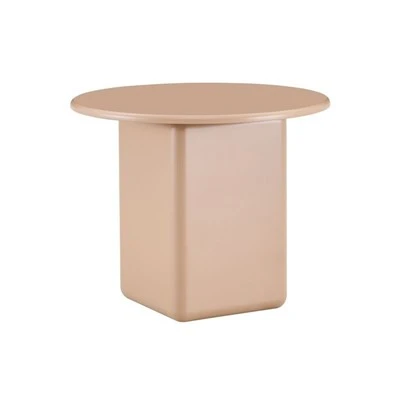
At the end of the day, I don’t care if your tables match or not—I care that your coffee table works for you. Whether you’re looking to replace an old one, upgrade your space, or just test out a new look, I’ve got options for every style, size, and budget. If you’re unsure, my team and I are here to chat through your space, show you what’s worked for other customers in similar situations, and help you pick something that fits your home, not a trend. Hit us up to connect and learn more about our coffee table lineup—we’d love to help.
Coffee Tables References:
- Design Institute of San Diego. (2022). Space Planning for Open-Concept Residences.
- National Home Furnishings Association. (2021). Trends in Residential Furniture Coordination.
- Journal of Interior Design. (2020). The Impact of Furniture Cohesion on Perceived Home Comfort.
Furnishion (Tianjin) International Co., Ltd.
Furnishion (Tianjin) International Co., Ltd. is one of the most experienced coffee tables manufacturers and suppliers in China. With a professional production team, we are able to meet the needs of the majority of our customers. Please feel free to wholesale high quality coffee tables at competitive price from our factory.
Address: Room 2501, West Tower, Unit 1, Jinta Apartment, 162 Zhang Zizhong Road, Heping District, Tianjin, China
E-mail: export@furnishion.com
WebSite: https://www.furnishion.com/
